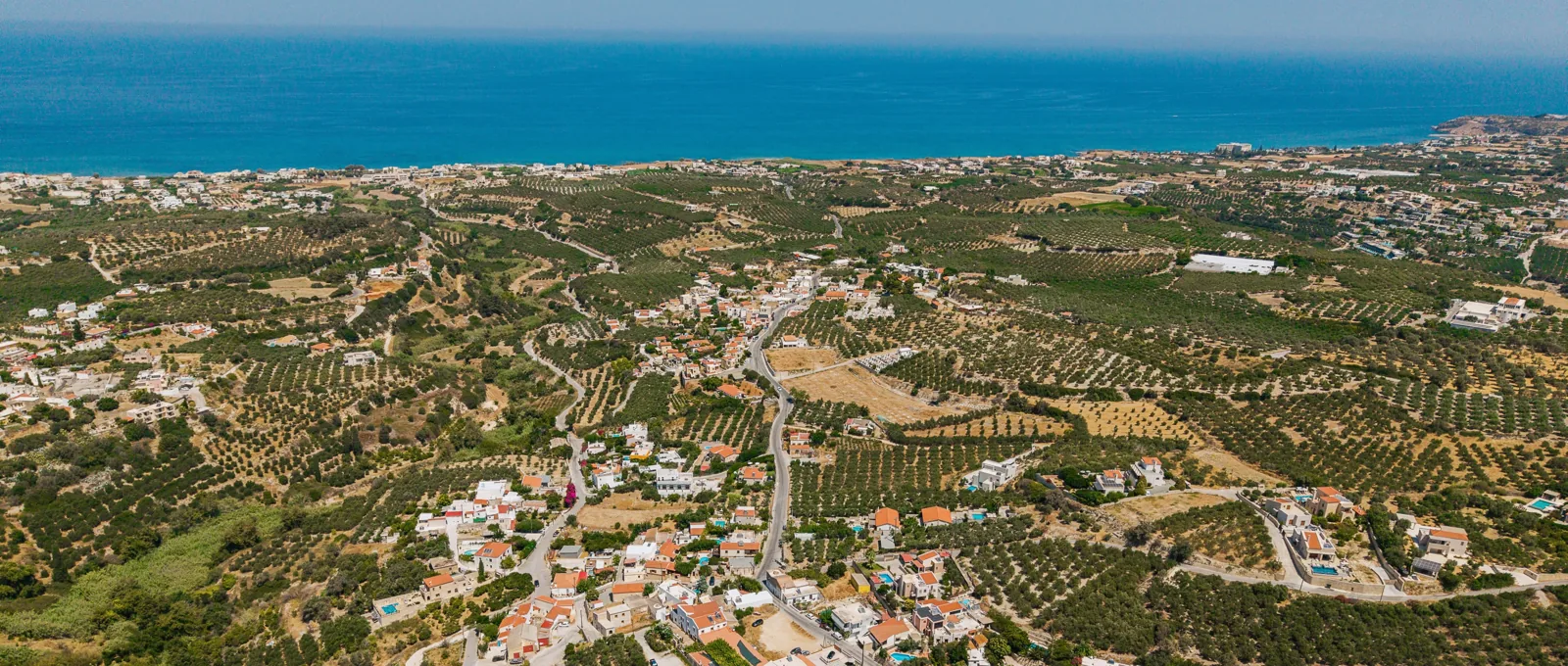
Asteri Village from the air, with olive groves running down to the north coast near Stavromenos.
Asteri Village from the air, with olive groves running down to the north coast near Stavromenos. Photo: Argyris Skordilis, Amazing Villas in Crete.
Explore Crete · Amazing Villas in Crete

Crete Beyond Peak Summer: A Villa-Stay Guide to May, June, September and October

July and August are not the only months when a villa holiday in Crete can work beautifully. May, June, September and October suit travellers who value a gentler daily rhythm, easier sightseeing and more time to enjoy the villa instead of planning every day around peak heat and peak-season pressure.

The important question is not whether one month is universally “best”. It is whether the likely conditions, seasonal services and villa setup match the holiday you want.

At a Glance: May, June, September and October

MonthOften suitsHistorical averages near RethymnoCheck before booking
MayCouples, walkers, drivers and guests who want a greener islandHigh 23 °C · low 15 °C · sea about 19 °C · about 3 rainy daysPool expectations, evening layers, flight schedule and seasonal openings
JuneFamilies travelling before peak school-holiday pressure and guests wanting an early-summer rhythmHigh 28 °C · low 19 °C · sea about 22 °C · about 1–2 rainy daysAvailability, shade and any date-specific service arrangements
SeptemberCouples, families and groups seeking warm-sea summer character with a softer paceHigh 27 °C · low 19 °C · sea about 25 °C · about 2 rainy daysSchool dates, villa availability and current operating schedules
OctoberSlow travellers, food-and-wine stays and guests interested in harvest-season and local-life rhythmsHigh 22 °C · low 15 °C · sea about 23 °C · about 5 rainy daysPool comfort, evening temperatures, flights, tavernas and attraction hours

Historical long-term averages for Rethymno (the middle of published sources: climate-data.org, Weather2Travel/CRU and Holiday Weather), shown for comparison only. They are not a forecast: single days and single years can be quite different.

Why Villa Planning Changes Outside July and August

A generic “best time to visit Crete” guide usually focuses on daytime temperature and the beach. A villa guest has a wider set of decisions:

  • Will we want breakfast and dinner outside?
  • Is the private pool central to the holiday, or one part of it?
  • Do we want long drives and archaeological visits as well as beach time?
  • Are children tied to school dates?
  • Will seasonal flights and local businesses be operating on our exact dates?
  • Does the group prefer high-summer energy or a quieter base?

Those questions matter more than a single monthly average. Weather is variable, swimming comfort is personal, and two stays in the same month can feel different. The right approach is to choose the month for the rhythm you want, then confirm the details that can change.

May: Green Landscapes and an Exploratory Rhythm

May can suit travellers who want to move around the island without making every decision around the hottest part of the day. The countryside can feel fresh, village and heritage visits are easier to combine, and a villa gives you space to adjust the day if the weather changes.

An artichoke growing in a village garden in spring.
An artichoke growing in a village garden in spring. Photo: Argyris Skordilis, Amazing Villas in Crete.
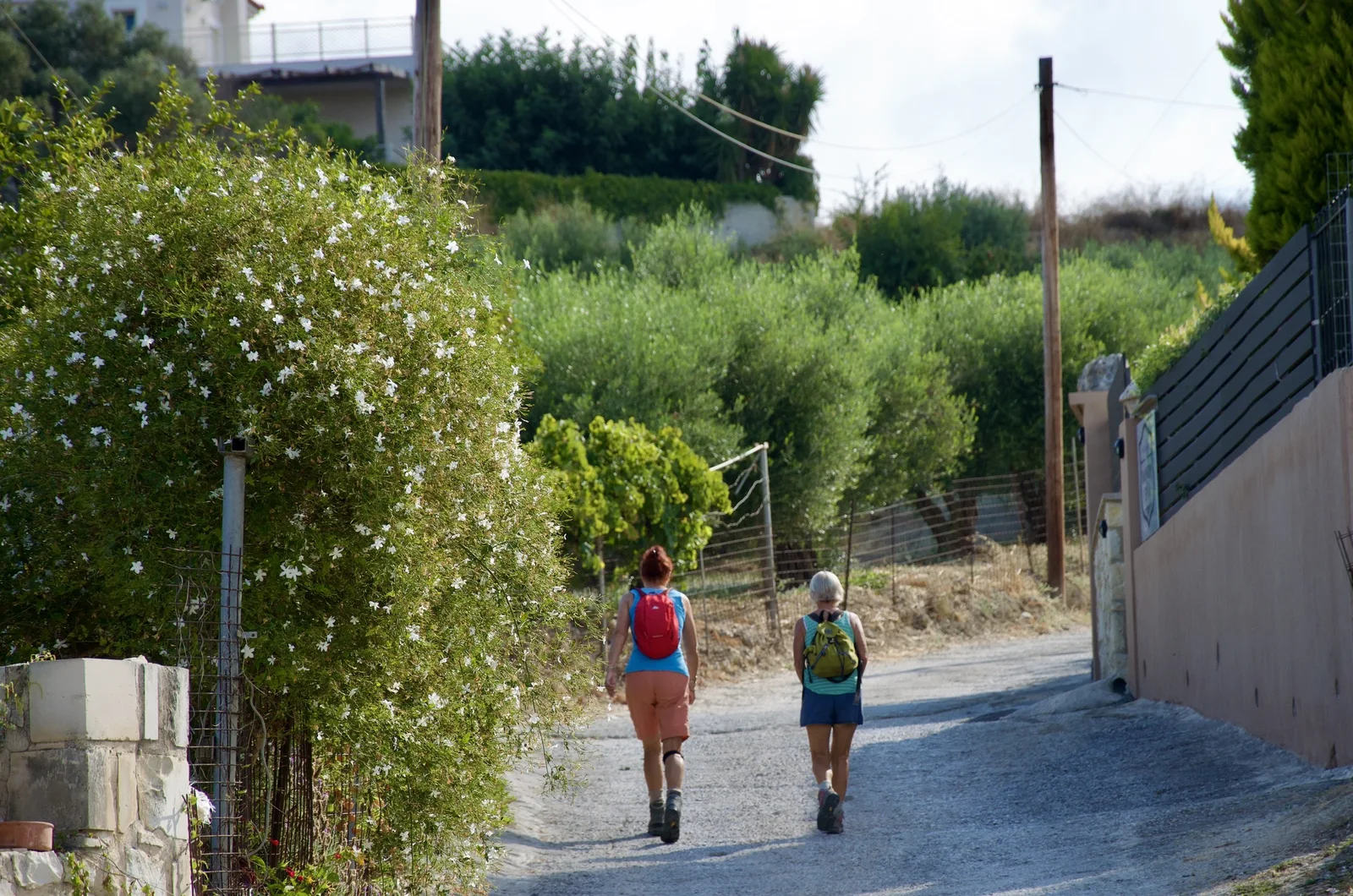
Walkers on a lane in Asteri Village, between jasmine and olive groves.
Walkers on a lane in Asteri Village, between jasmine and olive groves. Photo: Argyris Skordilis, Amazing Villas in Crete.

For many visitors, May also means roads, restaurants and villages that feel less pressured than in the busiest summer weeks. That is a useful planning advantage, not a promise that every attraction will be quiet or every seasonal business open.

May is not guaranteed summer. Mornings and evenings may need an extra layer, and pool comfort depends on the weather and the individual guest. Some seasonal businesses may still be settling into their full operating rhythm.

May works best when the holiday is broader than “pool and beach every day”: Rethymno Old Town, inland villages, food, heritage such as Arkadi Monastery and unhurried drives can all carry the stay.

June: Early Summer Without Assuming It Will Be Quiet

June often gives guests the clearest early-summer proposition: the longest days of the year, outdoor meals and a strong beach-and-villa rhythm before the most concentrated school-holiday demand.
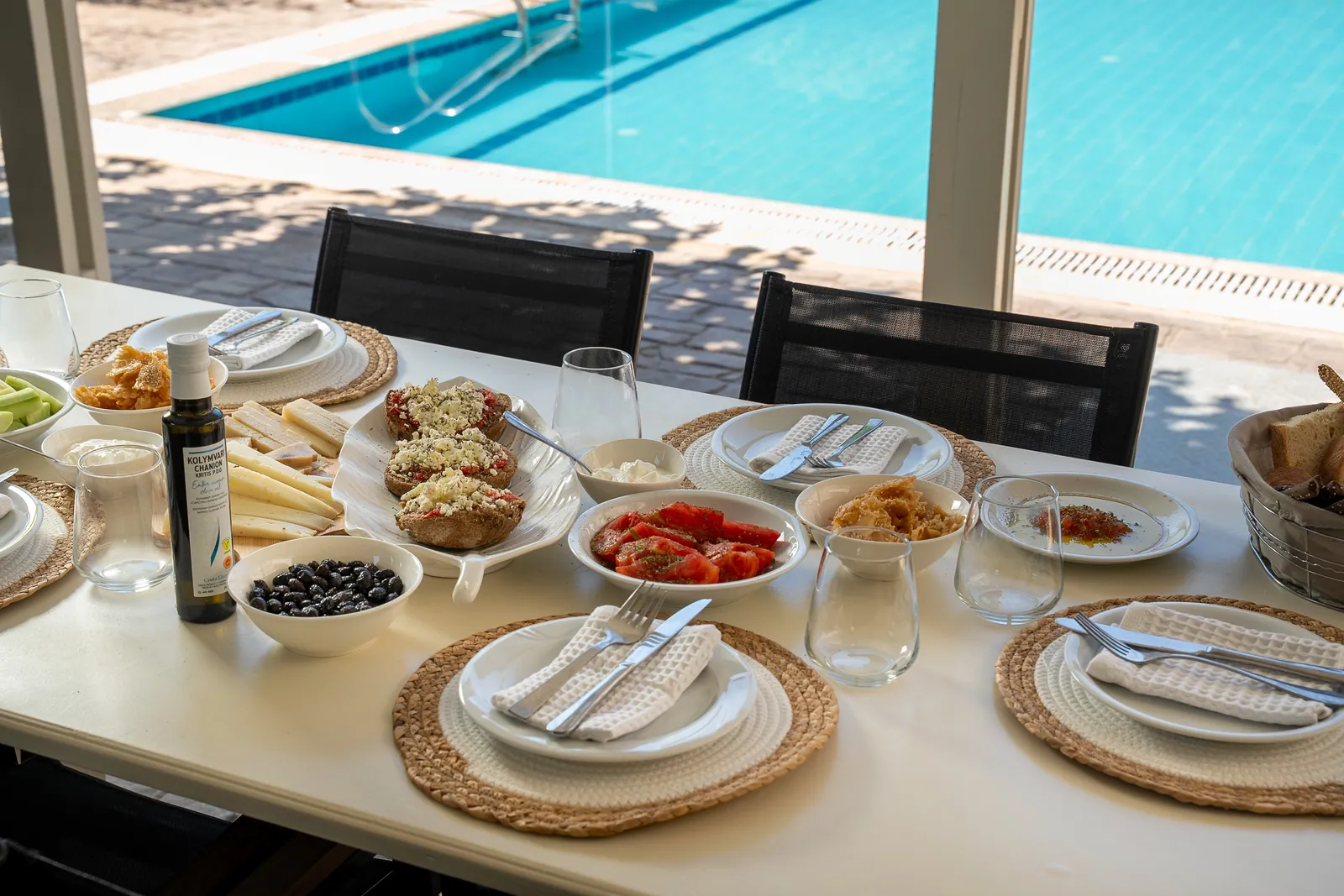
Lunch of Cretan dishes on the terrace by the pool at Villa Asteri.

It is not empty, cool or automatically available. Popular dates and suitable villas can still book early, and hot days are possible. Current minimum-stay rules and availability should be checked for the exact villa and dates. Families should consider shade, bedroom layout and how they will use the middle of the day rather than relying on a general seasonal label.

For guests who want a recognisably summery stay but can travel before July and August, June is often the easiest month to understand.

September: Summer Character with More Breathing Room

September can work particularly well for travellers who want a warm sea, outdoor dining and villa life to remain central. The island does not switch seasons on the first day of the month, but the daily rhythm can begin to soften as peak family travel reduces.
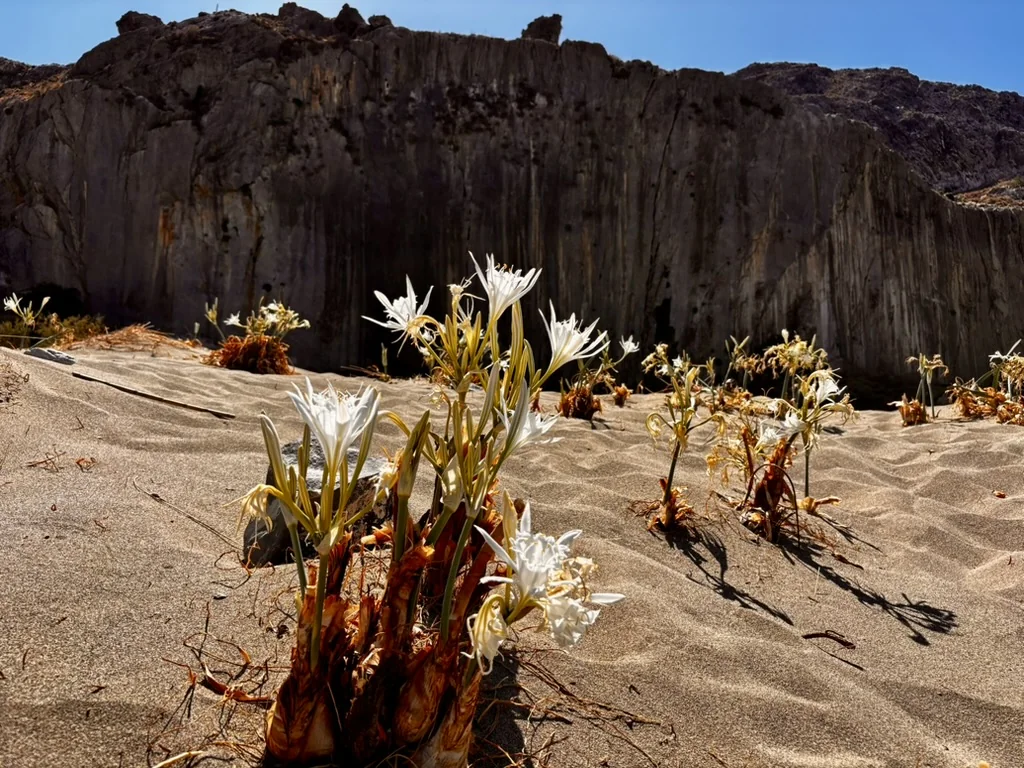
Sea daffodils flowering on the dunes below the cliffs of Paligremnos, at the southern end of Plakias bay.
Sea daffodils flowering on the dunes below the cliffs of Paligremnos, at the southern end of Plakias bay. Photo: Argyris Skordilis, Amazing Villas in Crete.

That does not guarantee quiet beaches, low prices or a particular temperature. September remains popular, and availability can be limited. What it offers is a useful balance for couples, groups and families whose dates are flexible.

For a longer stay, September also makes it easier to combine beach days with Rethymno, inland villages and heritage without feeling that every outing competes with the pool. It is also a good month for a south-coast beach day, when the drive back through the gorges is no longer in the peak heat.

October: Rewarding for the Right Expectations

October is not simply “after the season”. It can offer softer light, calmer roads and a slower relationship with the island. For many visitors it still feels milder than autumn in northern and central Europe. It can be especially appealing to couples, long-haul visitors and guests who care about food, wine, local life and exploration as much as swimming. Depending on the year, area and olive variety, late October may begin to show the approach of the olive-harvest period, but no active harvest or visitor experience can be promised.
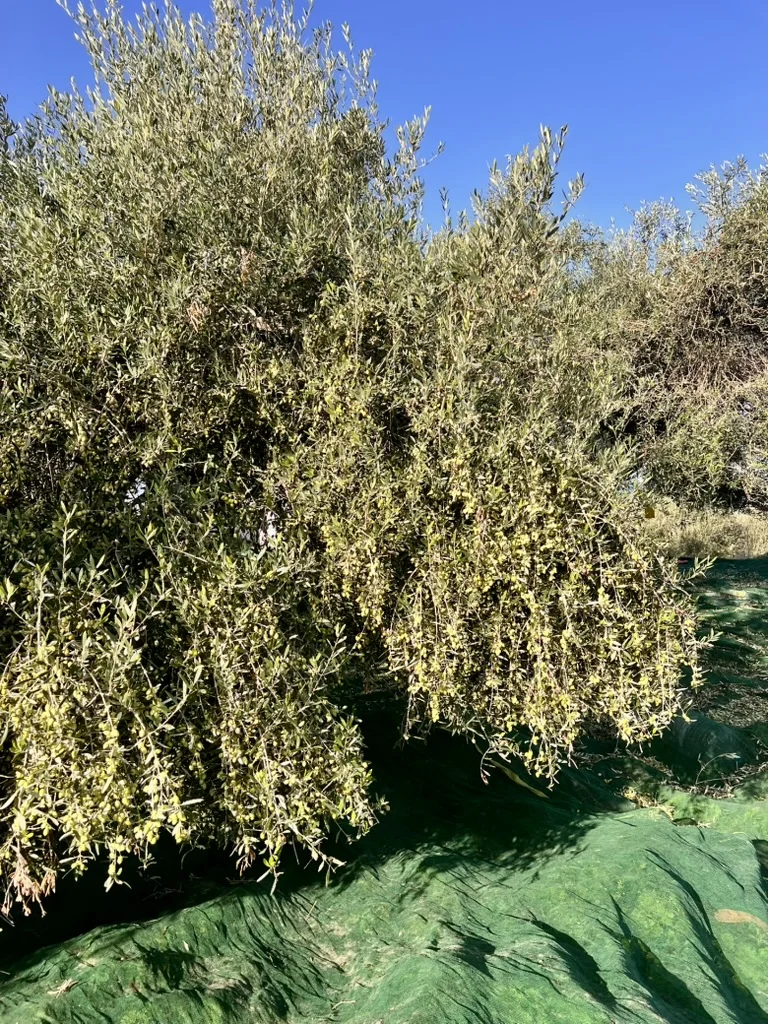
Olive-harvest time: nets spread under a laden tree.
Olive-harvest time: nets spread under a laden tree. Photo: Argyris Skordilis, Amazing Villas in Crete.
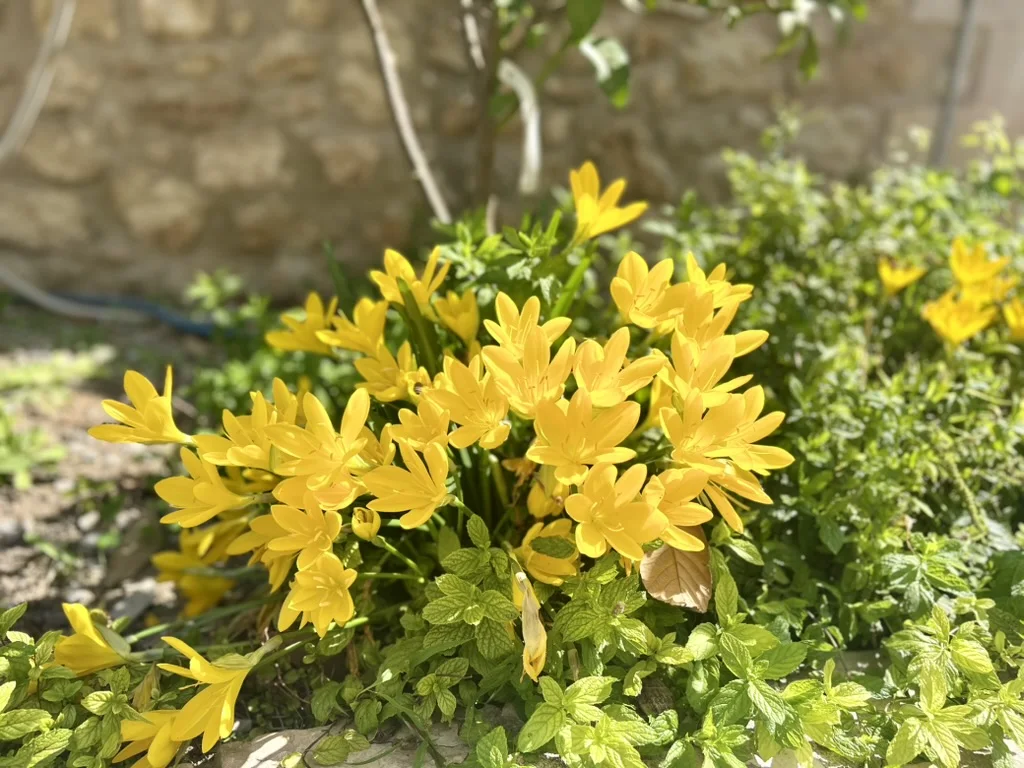
Yellow autumn bulbs flowering against a stone wall in a village garden; they come up every year from October.
Yellow autumn bulbs flowering against a stone wall in a village garden; they come up every year from October. Photo: Argyris Skordilis, Amazing Villas in Crete.

It is also the month that needs the clearest expectations. Weather can vary, evenings may feel cooler, pool use is personal, and seasonal businesses or flight schedules may change. Guests who need guaranteed high-summer conditions should not choose October.

The strongest October stay has alternatives built in: an Old Town day, a village route, a long lunch, a heritage visit and time at the villa whether the afternoon is made for swimming or reading.

What Happens Locally in These Months

Dates change from year to year, so treat these as a guide and check close to travel.
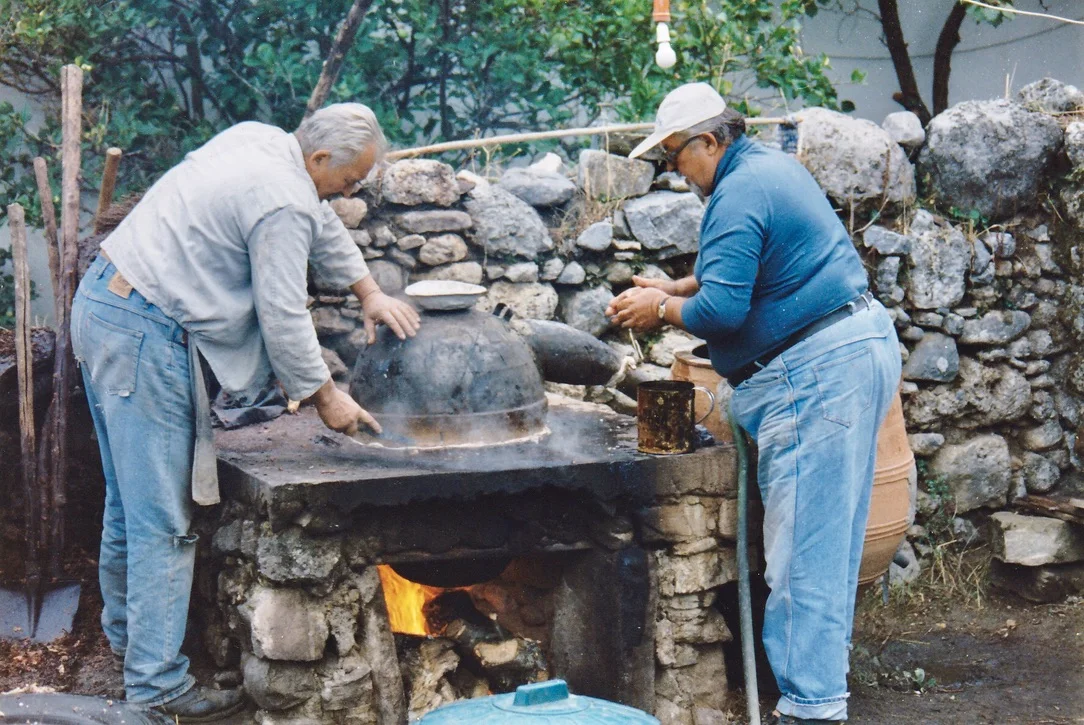
How tsikoudia (raki) used to be distilled in the villages: a copper still over a wood fire, in a stone-built hearth in the yard.
How tsikoudia (raki) used to be distilled in the villages: a copper still over a wood fire, in a stone-built hearth in the yard. Photo: Petros Drygiannakis.
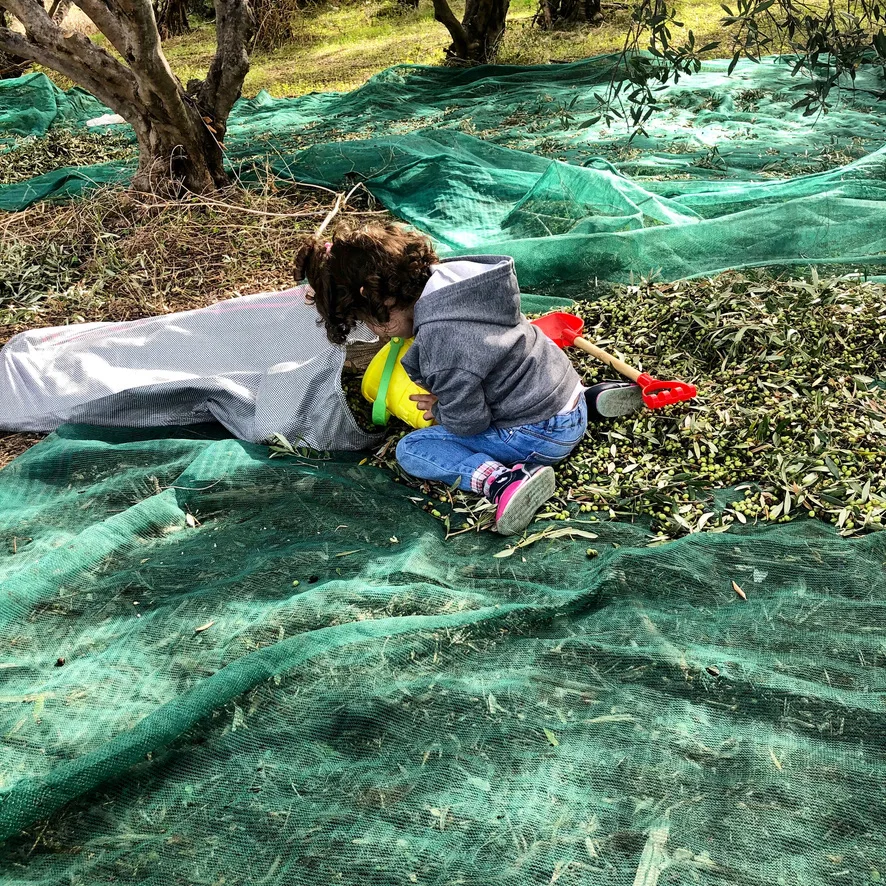
Olive-harvest time in the groves: a small helper with her bucket.
Olive-harvest time in the groves: a small helper with her bucket. Photo: Argyris Skordilis, Amazing Villas in Crete.
  • Easter is the biggest celebration of the Greek year and moves with the Orthodox calendar. In some years it falls in May: in 2027 Orthodox Easter Sunday is on 2 May. Expect church services, family meals and some closures around the main days.
  • The Battle of Crete is remembered around its anniversary in late May, including at the Greek–Australian memorial in Stavromenos.
  • Grape harvest and raki: the grapes are picked in late summer, and in many villages the distilling of tsikoudia (raki) usually begins from late October into the autumn.
  • The olive harvest usually begins in November and runs into the winter, with nets spread under the trees in the groves around the villas; in some years and places the first olives are picked earlier. It is farm work, not a visitor event.
  • 28 October is a national holiday in Greece, marked with school and civic parades in towns and villages.

Who Benefits Most from Travelling Beyond Peak Summer?

Couples and friends with flexible dates

They can choose the month around preferred pace instead of school holidays and may value quieter meals, easier drives, more private-feeling villa time and romantic evenings more than peak-season intensity.

A greengrocer's van selling fruit and vegetables on the village road.
A greengrocer's van selling fruit and vegetables on the village road. Photo: Argyris Skordilis, Amazing Villas in Crete.
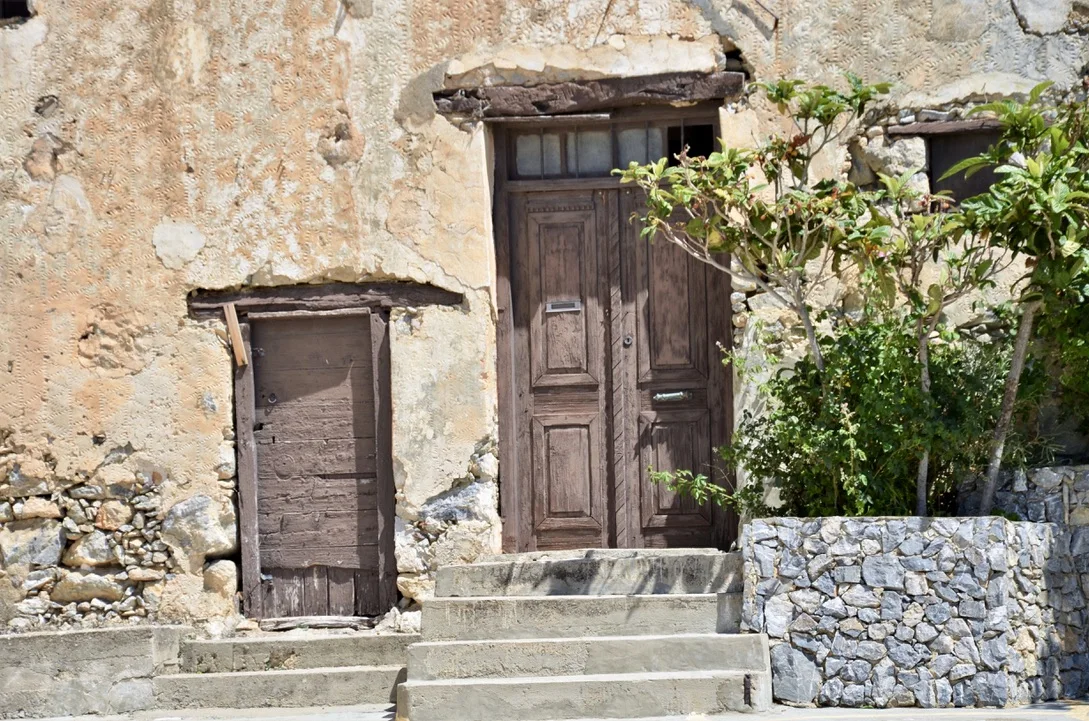
Old wooden doors and stone walls at Preveli Monastery.
Old wooden doors and stone walls at Preveli Monastery. Photo: Argyris Skordilis, Amazing Villas in Crete.

Families with preschool children

They may avoid the most concentrated school-holiday period, but should still check the actual villa layout, shade, pool facts and the comfort needs of their children.

Multigenerational groups

Softer conditions can make outings easier for some groups. That is not an accessibility claim: routes, steps, parking and thresholds still need checking for the specific villa and places.

Long-haul travellers

Guests staying for ten days or more can let the weather vary without feeling that one changed plan has spoiled the trip. Crete becomes the main destination rather than a short beach stop.

Longer-stay and remote-work guests

The quieter rhythm can suit guests combining holiday time with some remote work. This is a travel style, not a standard Amazing Villas in Crete product: internet performance, workspace, equipment and any long-stay terms should be confirmed for the chosen villa and dates.

Food, culture and village-life travellers

When swimming is not the only measure of success, markets, tavernas, local products, museums, villages and Old Town evenings give the stay more depth.

November to March: Winter at the Villas

Winter in Crete is quieter, greener and more local. Days are generally mild compared with northern Europe, but they are shorter, rain is more frequent, and some days are cool and windy. It is a season for slow mornings, long lunches, village walks and Rethymno without the crowds, rather than for beach days.

What winter is good for

  • Local life: the olive harvest and fresh olive oil, citrus in the gardens, raki season in the villages and tavernas cooking for local regulars.
  • Festivals: Christmas and New Year in Rethymno, and the Rethymno Carnival in late winter.
  • Longer stays: working from the villa, writing, walking, or a slow base for exploring the island at an easy pace.

At the villas in winter

  • The villas are heated.
  • The private pools stay open but are not heated at present, so in winter they are mostly for looking at and for the brave.
  • Winter stays have their own terms. Ask Argyris about the minimum stay and longer stays for your dates.

Good to know. Some seasonal tavernas, beach businesses and boat trips close in winter, and flights are fewer. Rethymno town, the main villages and the larger sites stay open, but hours can be shorter. Check opening hours and flights for your exact dates.

Pool, Sea and Weather: The Honest Version

No article can promise how warm the pool or sea will feel to you on a future date. Do not make the booking decision from a monthly temperature chart alone.

The pools at all four of our villas are not heated. In May and October, many guests still swim, but pool comfort depends on the weather of that week and on the person.

Ask instead:

  • Is pool use essential or optional for the group?
  • What are the current pool arrangements for the chosen villa?
  • Does the outdoor space have the shade and shelter the group needs?
  • Are younger or older guests comfortable with variable conditions?
  • What indoor and regional plans would still make the day worthwhile?

The official Greek tourism service describes Greece’s Mediterranean season as extending from spring into autumn and notes pleasant conditions in September and October. Historical air and sea averages, like those in the table above, help to compare months. Neither is a guarantee for a particular villa or future week.

What May Be Different Outside Peak Summer

The quieter feeling comes with trade-offs. Depending on the dates, guests may find:
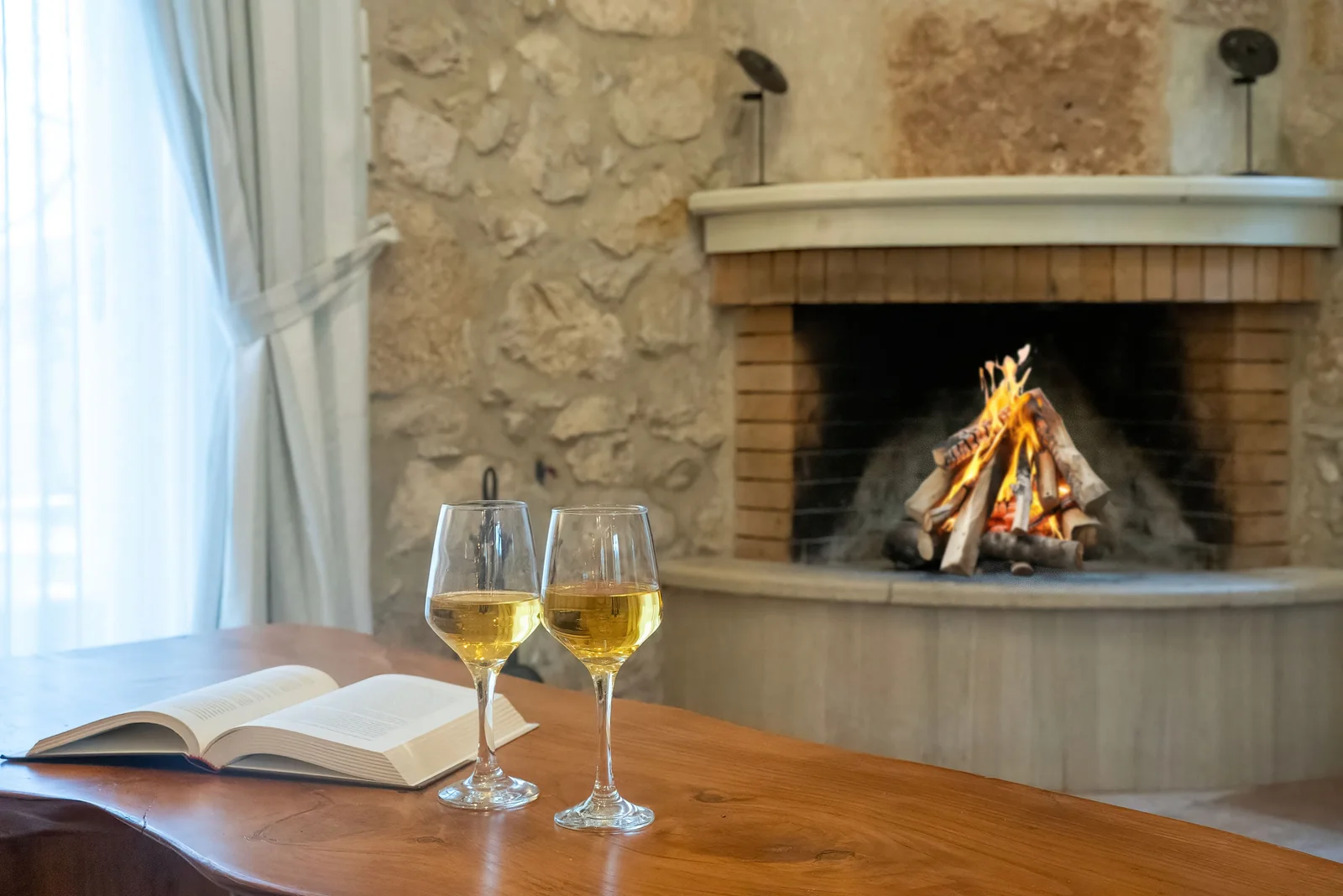
A glass of wine by the lit fireplace at Villa Asteri on a cool evening.
A glass of wine by the lit fireplace at Villa Asteri on a cool evening. Photo: Argyris Skordilis, Amazing Villas in Crete.
  • fewer or different direct-flight options;
  • changing attraction and taverna hours;
  • some seasonal services unavailable;
  • cooler mornings or evenings;
  • more changeable weather;
  • less need to organise the day around midday heat.

Check these points close to travel. Flights, opening hours and seasonal services change from year to year.

Four Realistic Ways to Use the Season

A relaxed four-night break

Choose one Rethymno day, one village or heritage outing and one largely unplanned villa day. Keep the final day flexible.

A seven-night first visit

Balance two or three outing days with villa time. Do not turn softer weather into permission to drive across the whole island; Best Day Trips from Rethymno helps to choose.

A family week

Build around the children’s routine and the villa setup. Keep one weather-flexible plan and do not count on daily pool use.

A ten- to fourteen-night slow stay

Use Rethymno as a base, leave space between longer routes and allow the month’s character to become part of the holiday rather than something to overcome.

From Your Villa Base

Planning should start from the actual villa, not from a generic “Rethymno” marker. Villa Asteri, Villa Kitron and Villa Myrrini are in Asteri Village; Villa Argiris is in Stavromenos. They are different bases, and the right outing sequence may change with the property, date and road conditions.
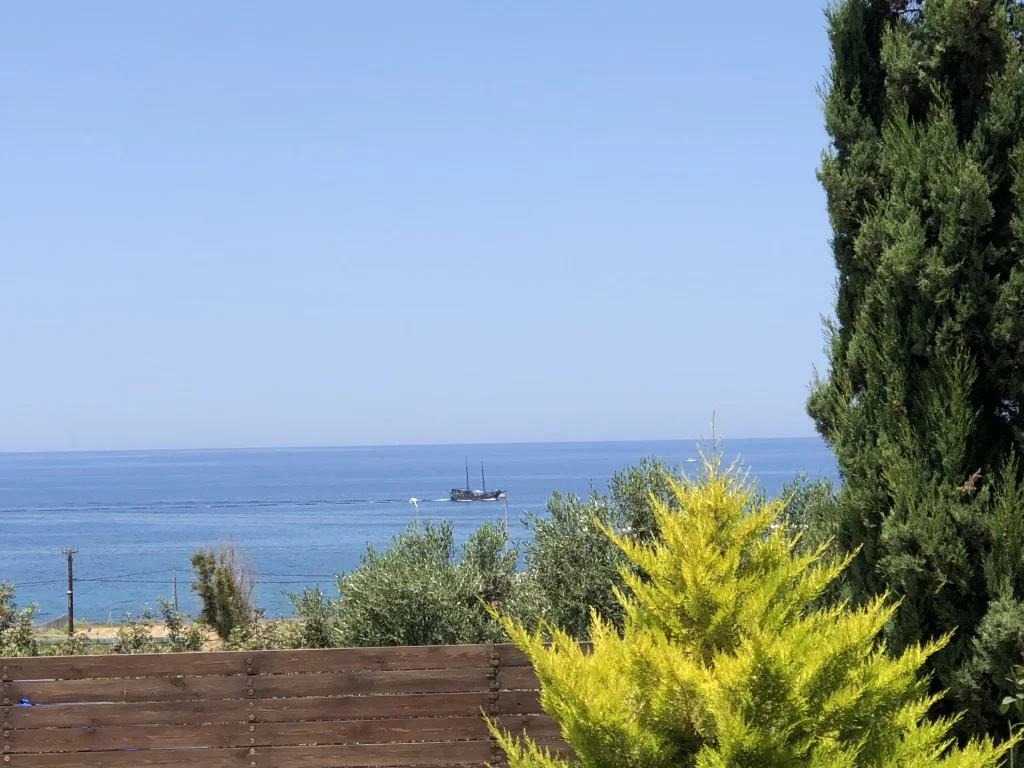
The sea from Villa Argiris, beyond the olive trees, with a traditional boat passing.
The sea from Villa Argiris, beyond the olive trees, with a traditional boat passing. Photo: Argyris Skordilis, Amazing Villas in Crete.

For cooler mornings and evenings, all four villas have air conditioning with heating and a fireplace. The pools are not heated.

Use current navigation on the day and confirm opening information for any attraction. Drive times, seasonal services and weather-dependent plans are live planning information, not permanent promises. To compare the villas for your dates, see Which Villa Fits Your Stay? and Private Pool Villas in Crete.

Good to Know Before Booking

  • Choose the month for the holiday rhythm, not a claim that it is universally best.
  • Treat June and September as popular travel periods, not hidden low season.
  • Ask property-specific questions about the pool and outdoor spaces; the pools are not heated.
  • Recheck flights, attractions, tavernas and seasonal services.
  • Check the current minimum stay and live availability for the chosen villa and dates.
  • Treat any published flight schedule as dated planning information and verify it before booking.
  • Pack for variation in May and October.
  • Keep at least one weather-flexible day.
  • Use the actual villa as the route starting point.
  • Do not assume that quieter automatically means cheaper.
Argyris Skordilis, owner and host of Amazing Villas in Crete
From Argyris

If using the private pool every day is essential, tell me before you choose the month or the villa. June and September often support a more recognisably summery rhythm, while May and October reward guests who keep sightseeing, food and village days flexible. I can explain the current setup of the available villa and what usually works locally, but nobody should promise the weather or how warm the pool will feel during a future week.

Argyris Skordilis · Owner and host, Amazing Villas in Crete · usually replies within 12 hours

Sources: Visit Greece: Eternal Blue (Greek National Tourism Organisation); Visit Greece: Why you need to visit Chania in Crete; Rethymno climate averages: climate-data.org; Rethymnon climate averages: Weather2Travel (CRU, Met Office, KNMI); Orthodox Easter dates, PublicHolidays.gr. Figures are approximate. Historical averages are the same long-term figures used in the month-by-month guide and are labelled as non-predictive. Villa facts (unheated pools, heating) come from the villa pages. No weather, pool comfort, price, availability or business opening is promised.

Facts checked against our four villa pages · Last reviewed by Argyris Skordilis, owner of Amazing Villas in Crete.

FAQ

Frequently asked questions

Months

Is May a good month for a villa holiday in Crete?

Yes, for guests who value exploring, greener landscapes and a flexible pace. Confirm pool expectations, evening comfort, flights and seasonal openings for the exact dates.

Is June or September better for Crete?

Both can support a strong summer-style villa stay. June has an early-summer rhythm; September follows the peak months, with the sea still warm (historically about 25 °C near Rethymno). Flights, school dates, heat preference and villa availability usually decide the better fit.

Is October too late for a villa stay in Crete?

Not for travellers who accept variable weather and value food, culture, villages and a slower pace. It is less suitable when guaranteed high-summer conditions are essential.

Villa and pool

Can we rely on using the private pool every day?

No article should guarantee that. The pools at all four villas are not heated, so comfort depends on the weather and on the individual guest. Ask about the chosen villa before booking.

Are the villas warm enough on cooler evenings?

All four villas have air conditioning with heating and a fireplace.

Planning

Are restaurants and attractions open in May and October?

Many operate, but schedules vary by place, date and year. Check important venues close to travel instead of relying on a permanent list.

Which month is best for families?

There is no universal answer. School dates, children’s ages, heat tolerance, villa layout and the importance of daily swimming matter more than a generic ranking.

Choose the Month That Fits Your Stay

Tell Argyris your dates, guest mix, preferred pace and how important the pool, beach, food and day trips are. He can help you compare the likely rhythm of the month with the available villas, without promising weather or seasonal services.

Ask Argyris