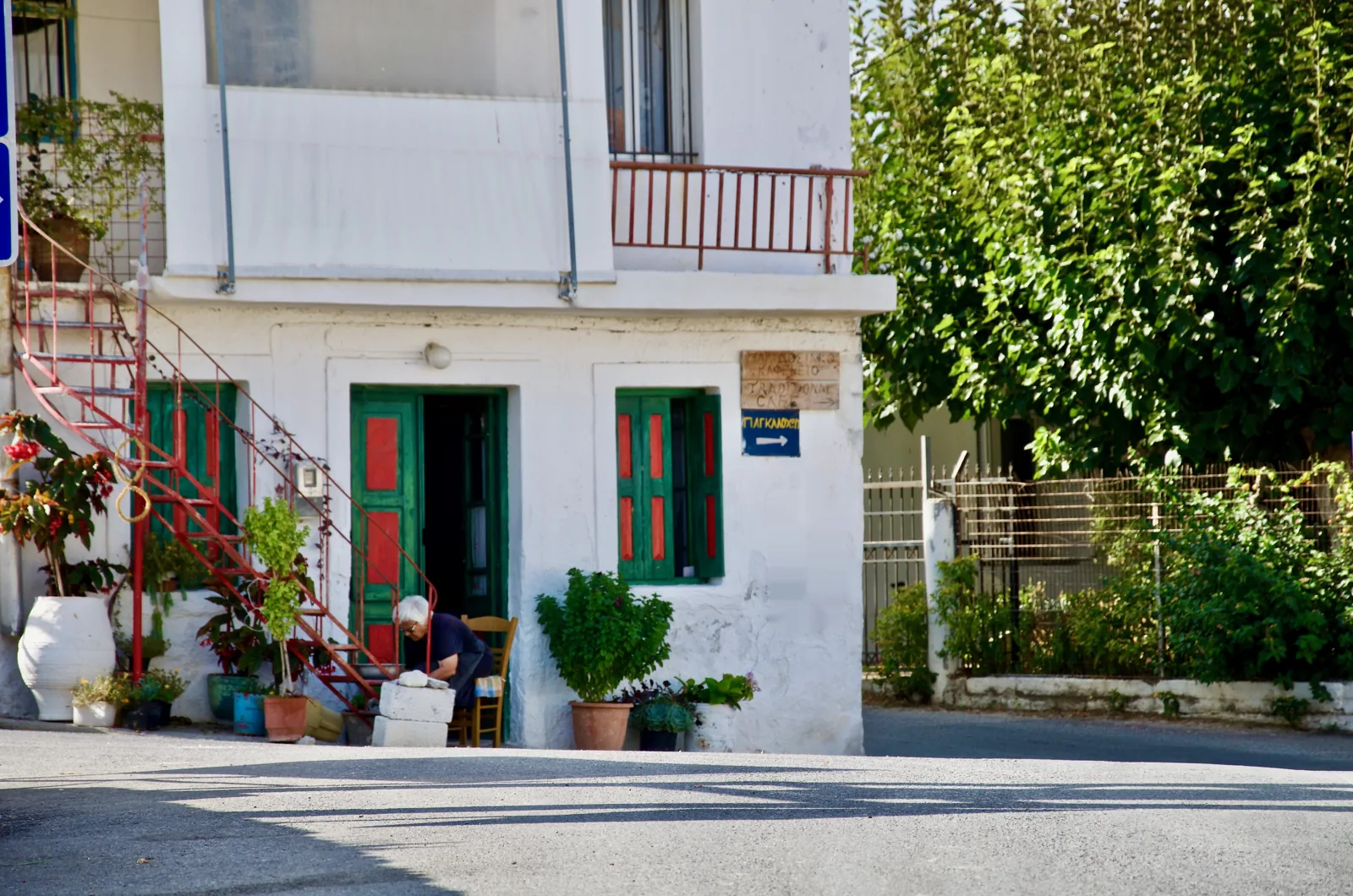
This page gathers the small practical things our guests ask about before a villa stay near Rethymno: passport checks, money, plugs, water, health, safety and a few local customs. Each answer is short, and we link to our fuller guides where there is more to say.
Facts are as of September 2026, and rules can change, so please check official sources before you travel. For arrival day itself, our arrival, check-in and luggage guide explains check-in from 15:30 and check-out by 11:00.

By Argyris Skordilis, owner and host · Updated
As of September 2026, the EU Entry/Exit System (EES) is fully operational at all external Schengen borders, including Chania and Heraklion airports. If you are a non-EU visitor on a short stay (this includes UK, US, Canadian and Australian passport holders), expect to register your fingerprints and a photo at passport control on your first entry. Allow extra time at the airport, especially in busy months.
ETIAS, the EU travel authorisation, is not required yet and has no confirmed start date. Please do not pay any website that says you need one now, and check the official EU travel pages before you travel.
Greece uses the euro, and cards are widely accepted in shops, supermarkets and most restaurants. Taxis are required to accept cards and display a card sticker. It is still worth carrying some cash for small tavernas, kiosks and village cafés.
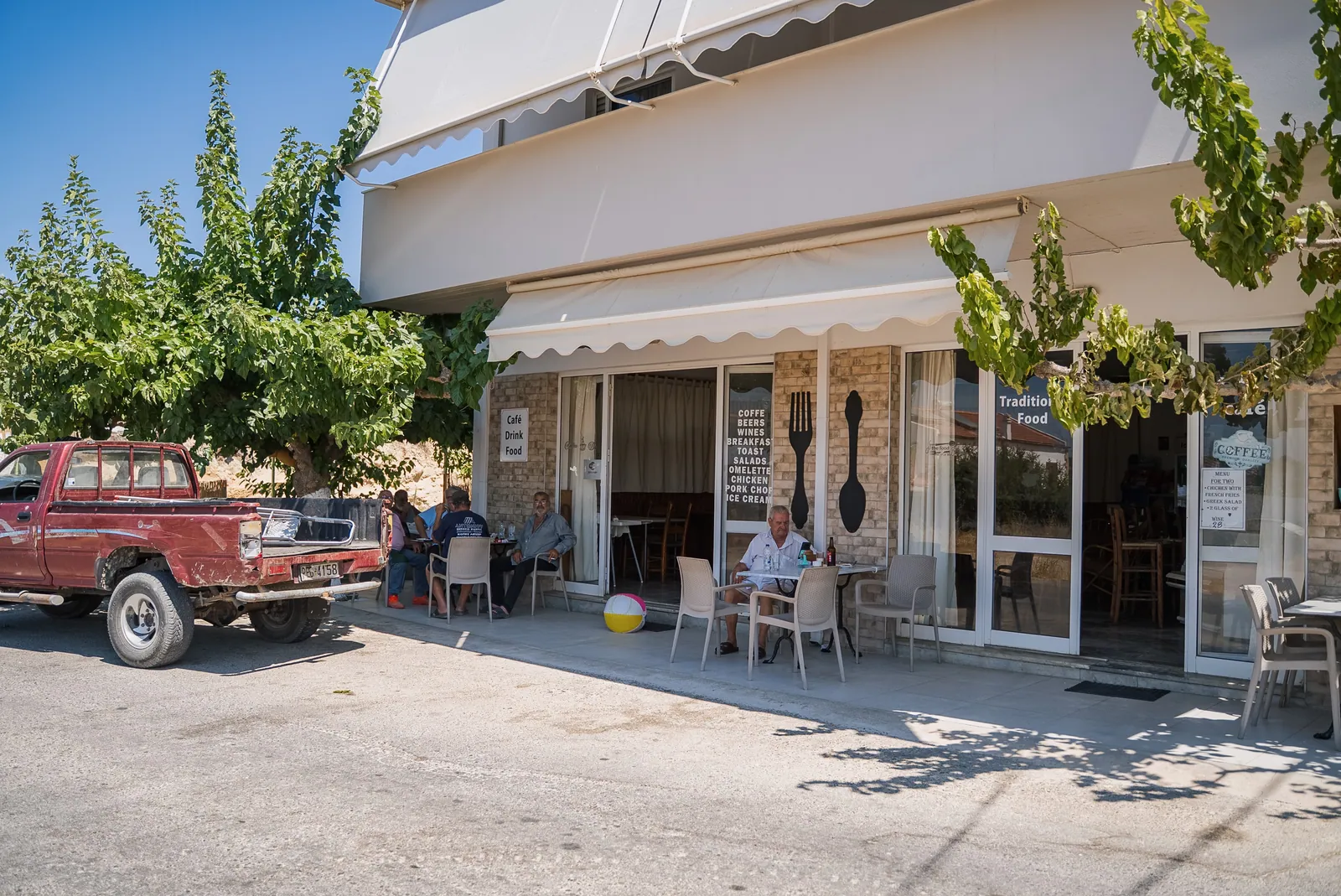
Tipping is not obligatory in Greece, but it is appreciated. In tavernas, rounding up or leaving around 5–10% is normal, and a little more for special dinners. For taxis, rounding up is enough. Leave tips in cash, as card machines often have no tip option.
Greece charges a per-night climate resilience fee on holiday accommodation. At Amazing Villas in Crete it is already included in the total price you see when you book, and it is paid at the villa during your stay, not with the deposit. Nothing extra is added on top, and Argyris can explain how it works for your dates if you ask.
There is Wi-Fi at every villa. If your phone plan is from an EU country, you can usually use it in Greece at home rates. Many UK networks now charge a daily fee for using your phone in the EU, and plans from further afield vary, so check with your network before you travel. A travel eSIM is a popular alternative.
Greece uses Type C and Type F sockets (the round two-pin European plug) at 230 V, 50 Hz. Guests from the UK, the US and many other countries will need a plug adapter. If you bring a single-voltage appliance from the US, you will also need a voltage converter. Our what to pack for a villa stay guide has a full checklist.
Villa Asteri and Villa Kitron have a reverse-osmosis system that filters the drinking water. At Villa Myrrini and Villa Argiris the tap water is drinkable. Bottled water is also cheap and sold in every supermarket, kiosk and village shop.
Crete has dry summers and local water supplies are under pressure. Short showers, running the dishwasher and washing machine only when full, and turning off taps while brushing your teeth all make a real difference. Thank you for helping.
Pharmacies are easy to spot by their green cross, and pharmacists can advise on minor problems. Local pharmacies share a rota so that one is always open in the evening, at night and on Sundays; closed pharmacies post the rota on their door.
If someone needs a doctor during your stay, message Argyris and he will point you to the right place.
The 112 system is also used to send emergency alerts, such as wildfire warnings, to phones in the area. If you receive one, follow its instructions.
Summer heatwaves in Greece can push temperatures above 40 °C. On hot days, keep beach trips and walks for the morning or late afternoon, rest in the middle of the day, drink plenty of water, and use a high-factor sun cream and a hat. Never leave children or pets in a parked car. Every villa has air conditioning with heating, so a cool room is always close by.
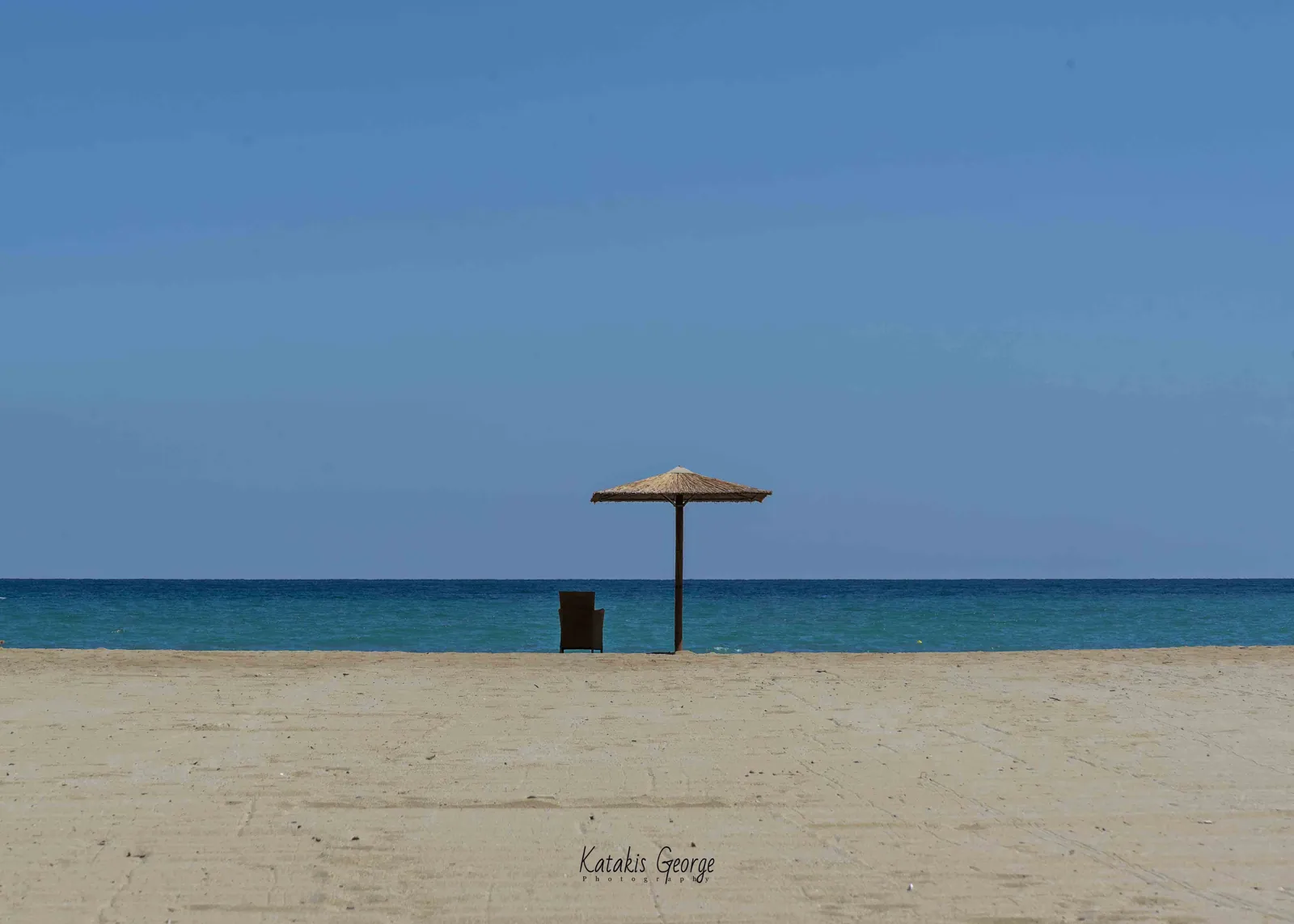
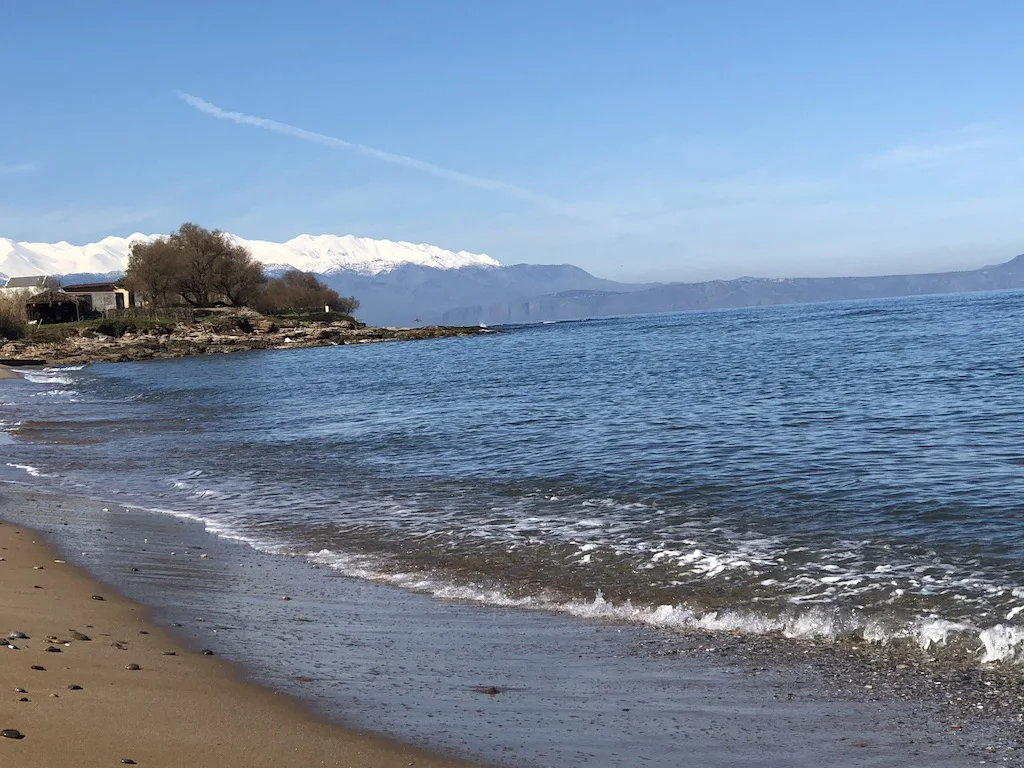
Beaches on the north coast, including Rethymno town and Stavromenos, can get choppy in the afternoon, mainly in July and August when the summer meltemi wind blows. Check the flag before you swim: green means safe, yellow means take care, and red means no swimming. On windy days, a south-coast beach is often calmer; our best beaches near Rethymno guide has ideas.
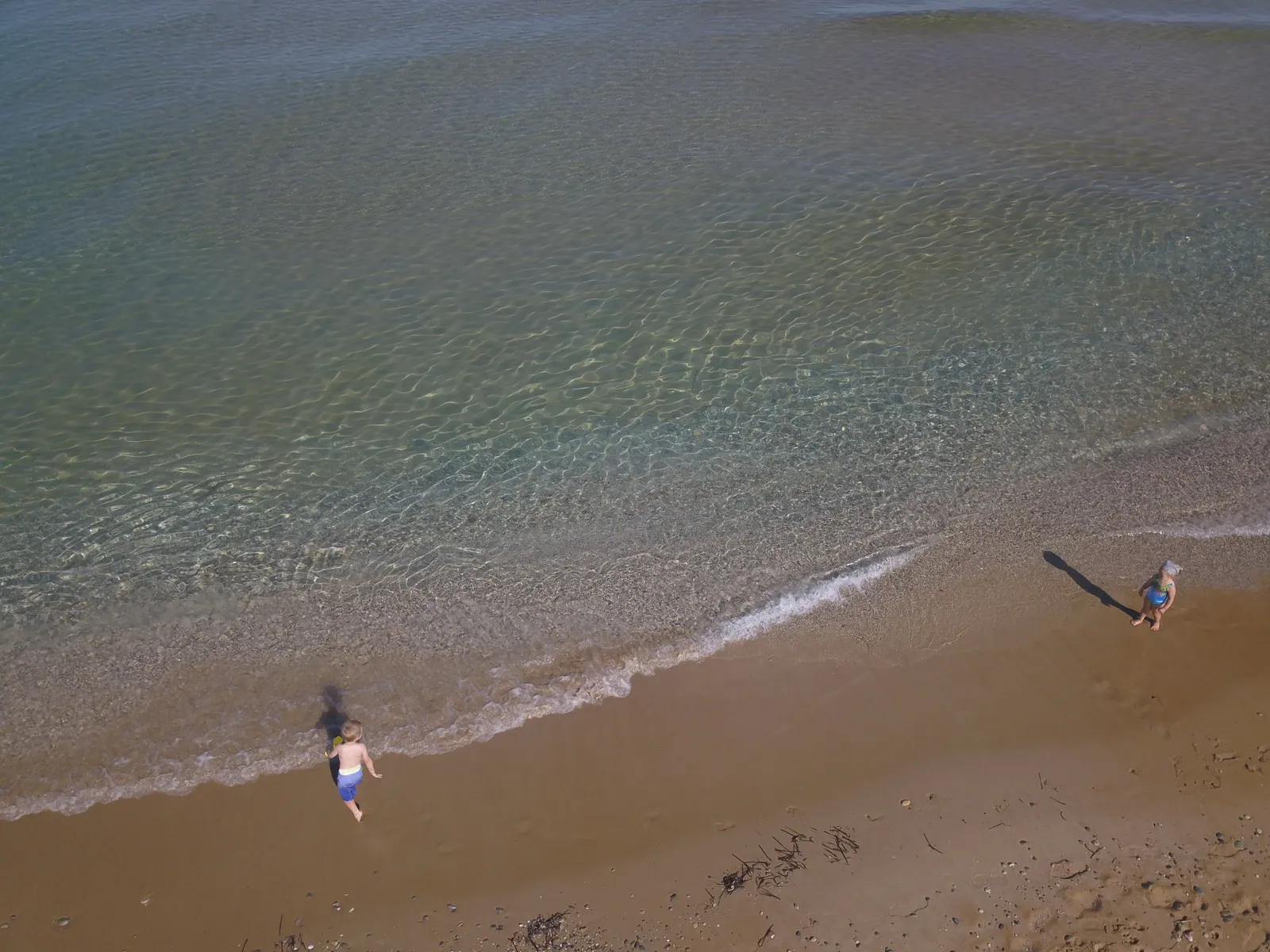
At the villas, the pools are not heated and are not separately fenced, so children must be supervised by an adult at all times. A free baby cot (up to 2 at Villa Asteri and Villa Argiris, 1 at Villa Kitron and Villa Myrrini) and a highchair are available; see our family travel planning guide for more.
Greece’s fire-prevention season runs from 1 May to 31 October. Civil Protection publishes a daily fire-risk map with levels from 1 to 5. On high-risk days (levels 4 and 5), gorges, some trails and protected forests in Crete may be closed to visitors, so check before you set off on a hike.
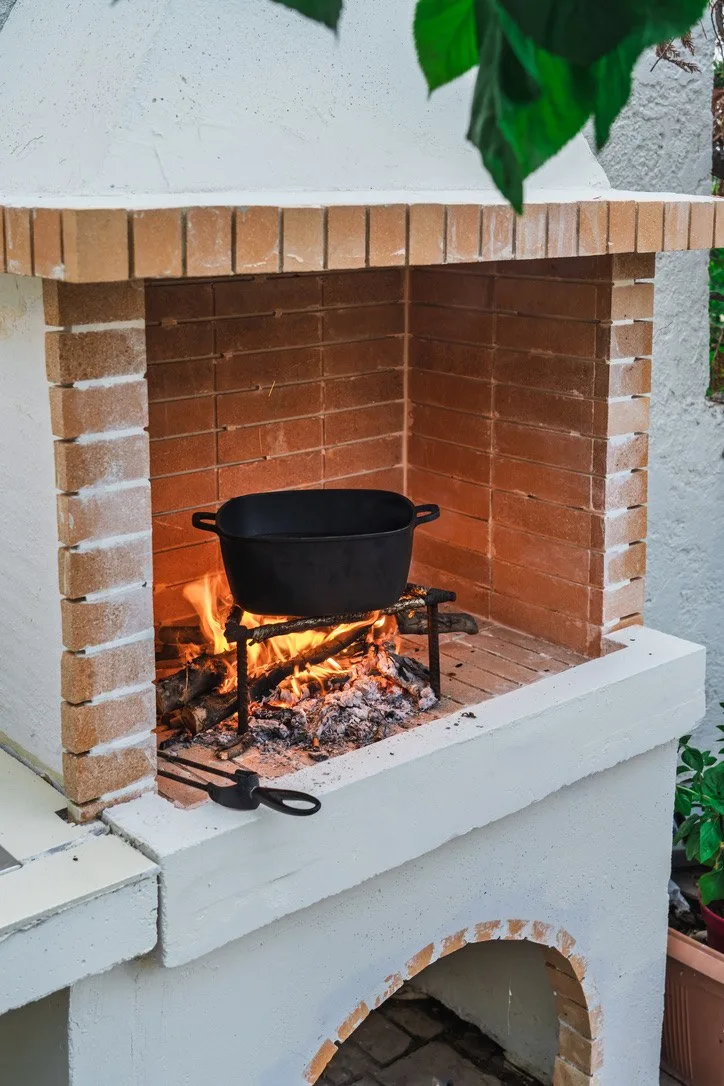
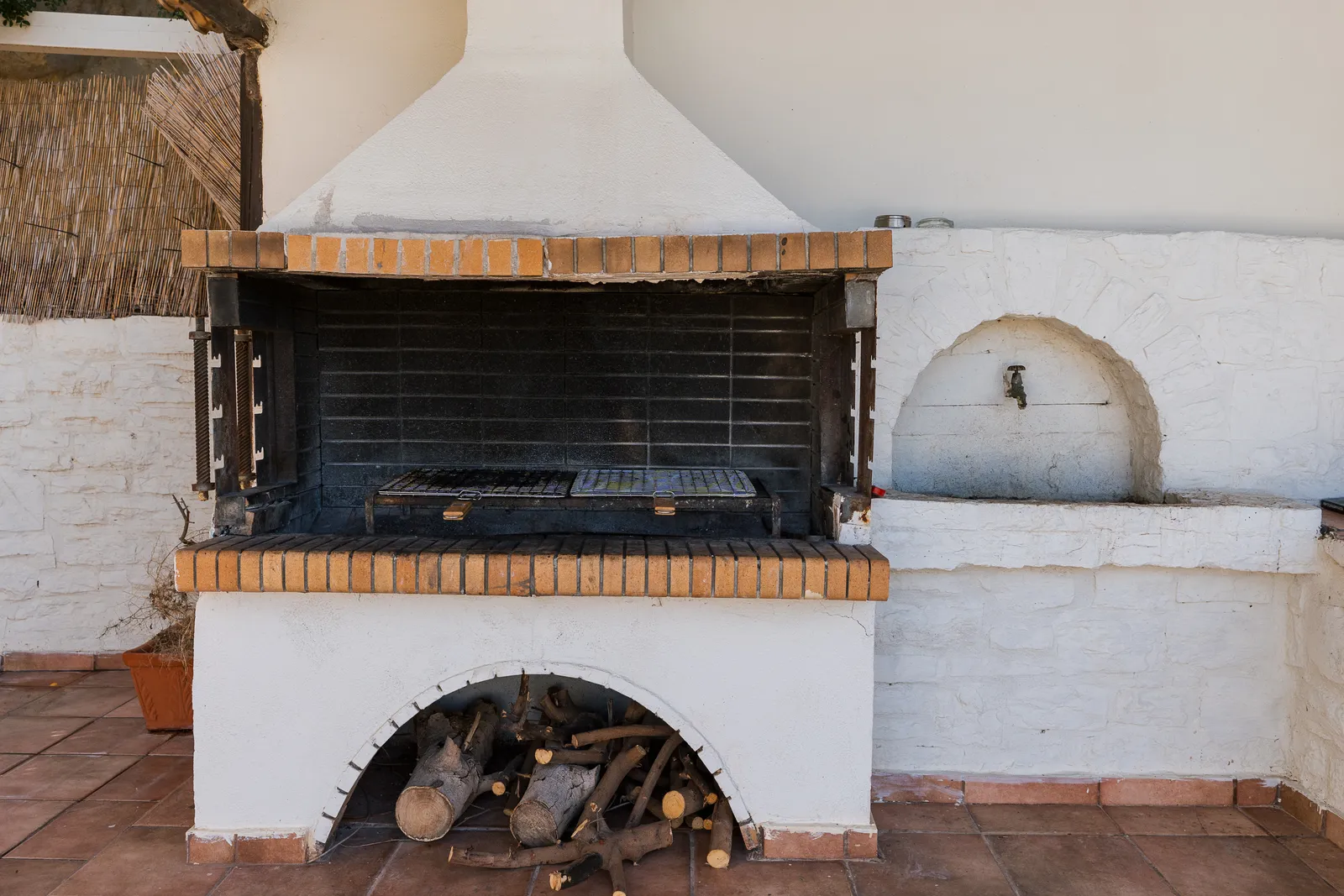
Before you light the barbecue: check the day’s fire-risk map from the General Secretariat for Civil Protection and follow its guidance for Rethymno. This applies to the barbecue, the wood-fired oven and the Parasia. Never leave a fire unattended, and make sure it is fully out afterwards.
Like anywhere in the Mediterranean, mosquitoes are around in the warmer months, mostly at dusk and after dark. Every villa has anti-mosquito devices for the bedrooms. Insect repellent for evenings outdoors is still worth packing, and closing windows and doors at dusk helps. Small lizards and geckos are common in Cretan gardens and are harmless.
Opening hours in Crete vary by season and by village. Larger supermarkets and tourist areas keep long hours in summer, while many smaller shops close for part of the afternoon and on Sundays. On public holidays, and around Easter in Rethymno, expect some closures. If you arrive on a Sunday or late in the evening, our first 24 hours food checklist helps you plan, and grocery pre-stocking is available on request.
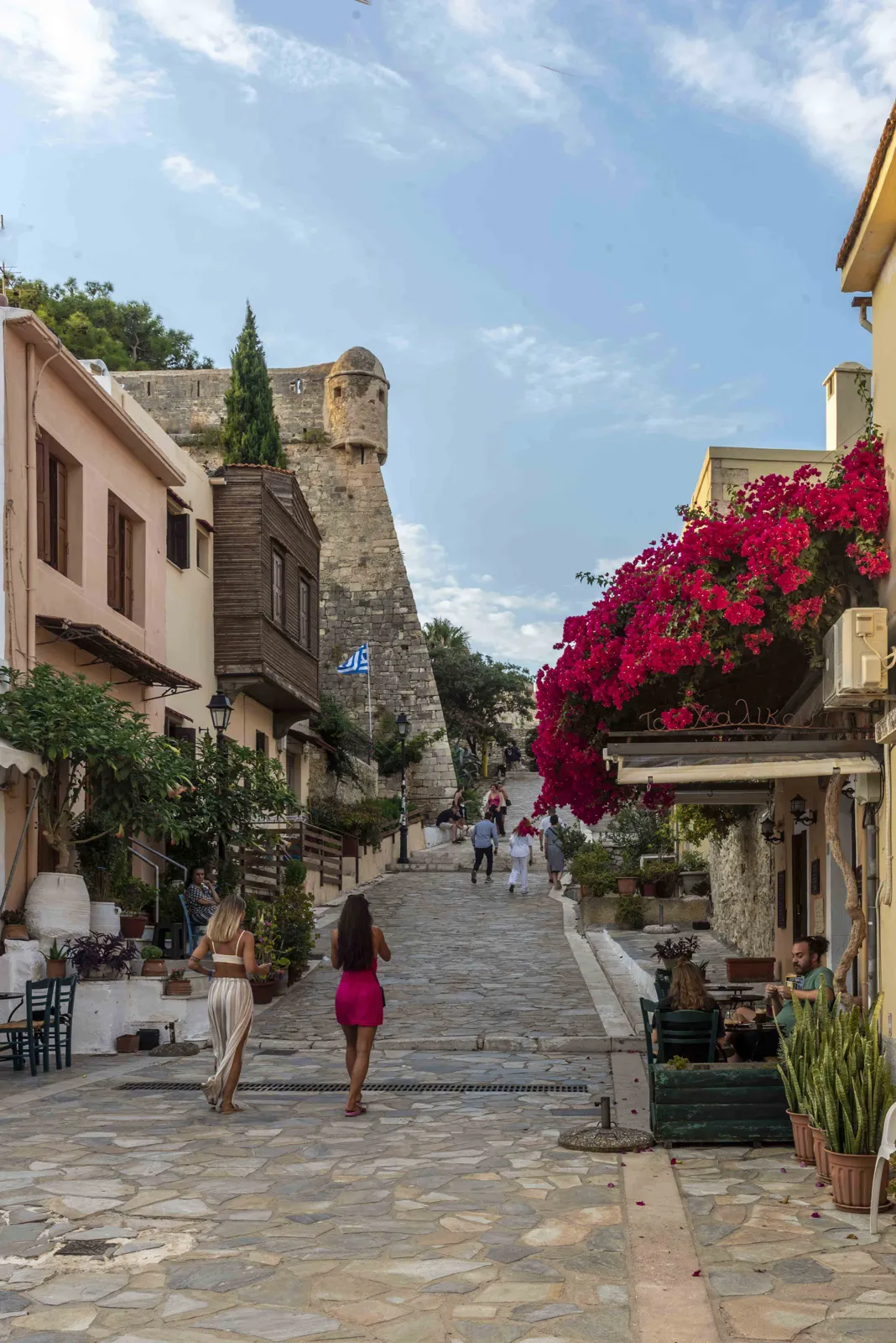
When visiting a church or monastery, such as Arkadi Monastery, cover your shoulders and knees. Some monasteries lend wraps at the entrance, but it is easier to carry a light scarf or sarong. Speak quietly, and ask before taking photos inside. In villages, swimwear is for the beach, so put a top on before you go into a shop or café.
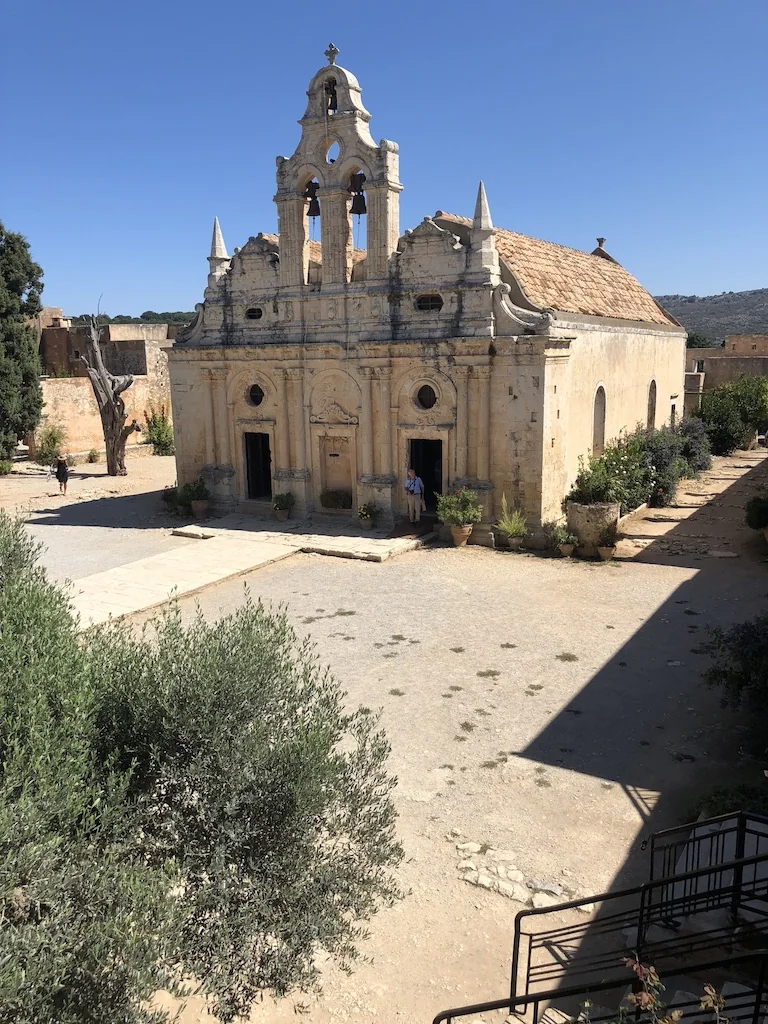
Local taxis must accept card payments. Argyris can suggest how to book one for your plans. KTEL buses connect Rethymno with Chania, Heraklion and many villages; at Asteri, the bus to Stavromenos and Rethymno town stops outside the villas, and Stavromenos has a more frequent coastal service. Check current timetables before you travel, as they change with the season. Our guide Do You Need a Car in Crete? helps you decide, and private transfer or hire car covers the airport journey.
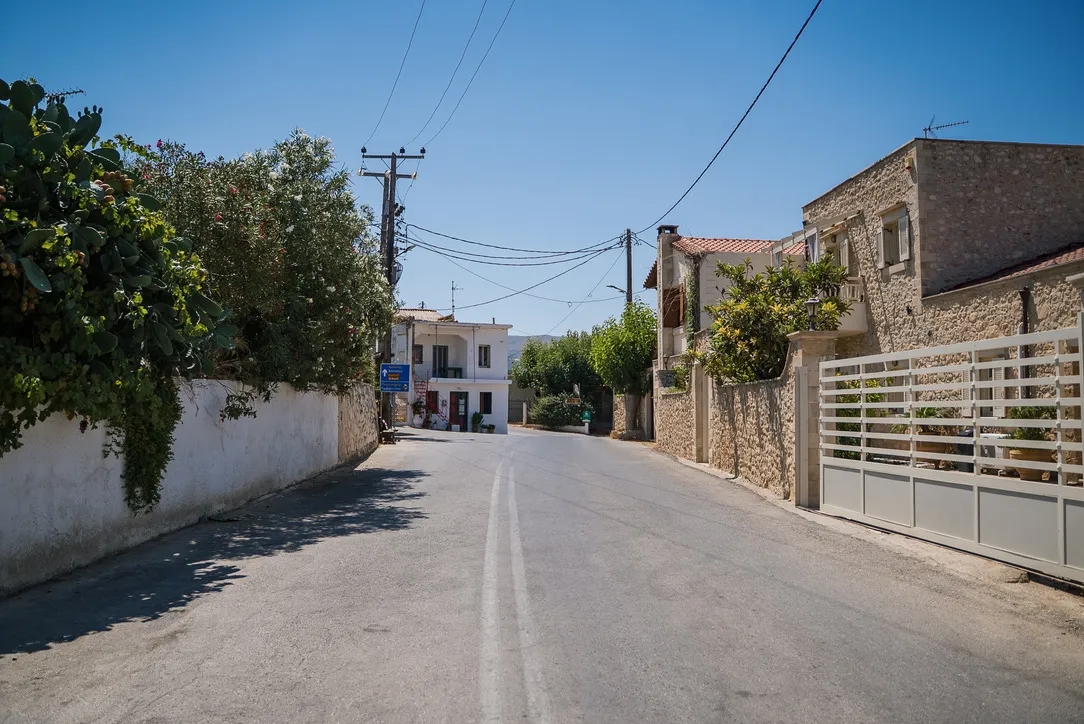
For villa parking and local roads, see driving and parking at the villas.
Pets are welcome at all four villas on request, so please tell Argyris before you book. For pets coming from outside the EU, including the UK and the US, EU rules require a microchip, a rabies vaccination at least 21 days before travel, and an EU animal health certificate issued by an official vet within 10 days of arrival. EU residents travel with the EU pet passport. Rules can change, so check the official EU guidance and your vet’s advice before you travel.
None of our villas is officially wheelchair accessible, but some are easier than others. At Villa Argiris all indoor spaces are on one level, with 2 entrance steps and 6 steps up to the pergola. At Villa Myrrini all rooms are on one level inside, with 17 steps from the parking to the front door. Some Greek beaches have SEATRAC chairs for unassisted sea access; check the SEATRAC map for the nearest one. Tell Argyris what you need and he will give you an honest answer before you book.
Sources: European Commission, Migration and Home Affairs: Entry/Exit System fully operational since 10 April 2026 (27 Jul 2026); Chania Airport: Entry/Exit System; EOPYY: Accessing health services in Greece for EU citizens; NHSBSA: Where you can use your GHIC or EHIC; GTP: Greek taxis now required to display card payment signage (31 Jul 2024); GTP: Work begins on the Chania–Hersonissos section of Crete’s BOAK motorway (3 Feb 2026); Your Europe: Travelling with pets and other animals; World Standards: Plugs and voltage in Greece; SEATRAC: Beach map; Daily fire-risk map, General Secretariat for Civil Protection. Figures are approximate.
Facts checked against our four villa pages · Last reviewed by Argyris Skordilis, owner of Amazing Villas in Crete.
Not yet. As of September 2026, ETIAS is not in operation and has no confirmed start date. Do not pay any website that says you need it now, and check the official EU travel pages before you travel.
If you are a non-EU visitor on a short stay, including UK, US, Canadian and Australian passport holders, expect to register your fingerprints and a photo under the EU Entry/Exit System on your first entry. It happens at the first airport where you land in Europe, which is not always Crete: on a direct flight from outside Europe it is Chania or Heraklion, but if you connect through Athens or another European airport it happens there instead. Allow the extra time at that airport rather than at the end of the journey.
Yes. At Amazing Villas in Crete the Greek climate resilience fee is included in the total price you see when you book, and it is paid at the villa during your stay, not with the deposit.
Cards are widely accepted, and taxis are required to accept them. Carry some cash for small tavernas, kiosks and village cafés, use bank ATMs where possible, and choose to pay in euros when a machine offers your home currency.
Yes. Villa Asteri and Villa Kitron have a reverse-osmosis system that filters the drinking water, and at Villa Myrrini and Villa Argiris the tap water is drinkable.
Mosquitoes are around in the warmer months, mostly after dark. Every villa has anti-mosquito devices; repellent for evenings outdoors is still worth packing.
Tipping is optional but appreciated. Rounding up or leaving around 5–10% in tavernas is normal, and rounding up is enough for taxis. Leave tips in cash, as card machines often have no tip option.
Photocard licences from the UK, US, Canada and Australia are accepted by Greek law without an IDP. Some car hire companies still ask for one, so check your hire terms before you travel.
No. The pools at our villas are not heated. They are also not separately fenced, so children must be supervised by an adult at all times.
Yes. Before lighting the barbecue, wood-fired oven or Parasia, check the day’s fire-risk map from the General Secretariat for Civil Protection (civilprotection.gov.gr) and follow its guidance. Never leave a fire unattended.
Pets are welcome at all four villas on request. Please tell Argyris before you book. Pets coming from outside the EU need a microchip, a rabies vaccination and an EU animal health certificate.
None of our villas is officially wheelchair accessible. Villa Argiris and Villa Myrrini have all indoor rooms on one level, but both have some steps. Tell Argyris what you need and he will give you an honest answer before you book.
Tell Argyris your question and he will help. He usually replies within 12 hours.
Cookies on this site
We use essential cookies to make the site work. With your permission we also use statistics to improve the site, marketing cookies to measure our advertising, and external media such as Google Maps. You can change your choice at any time. Privacy Policy · Cookie Policy