Christmas and New Year in Rethymno, Crete: A Villa-Stay Guide
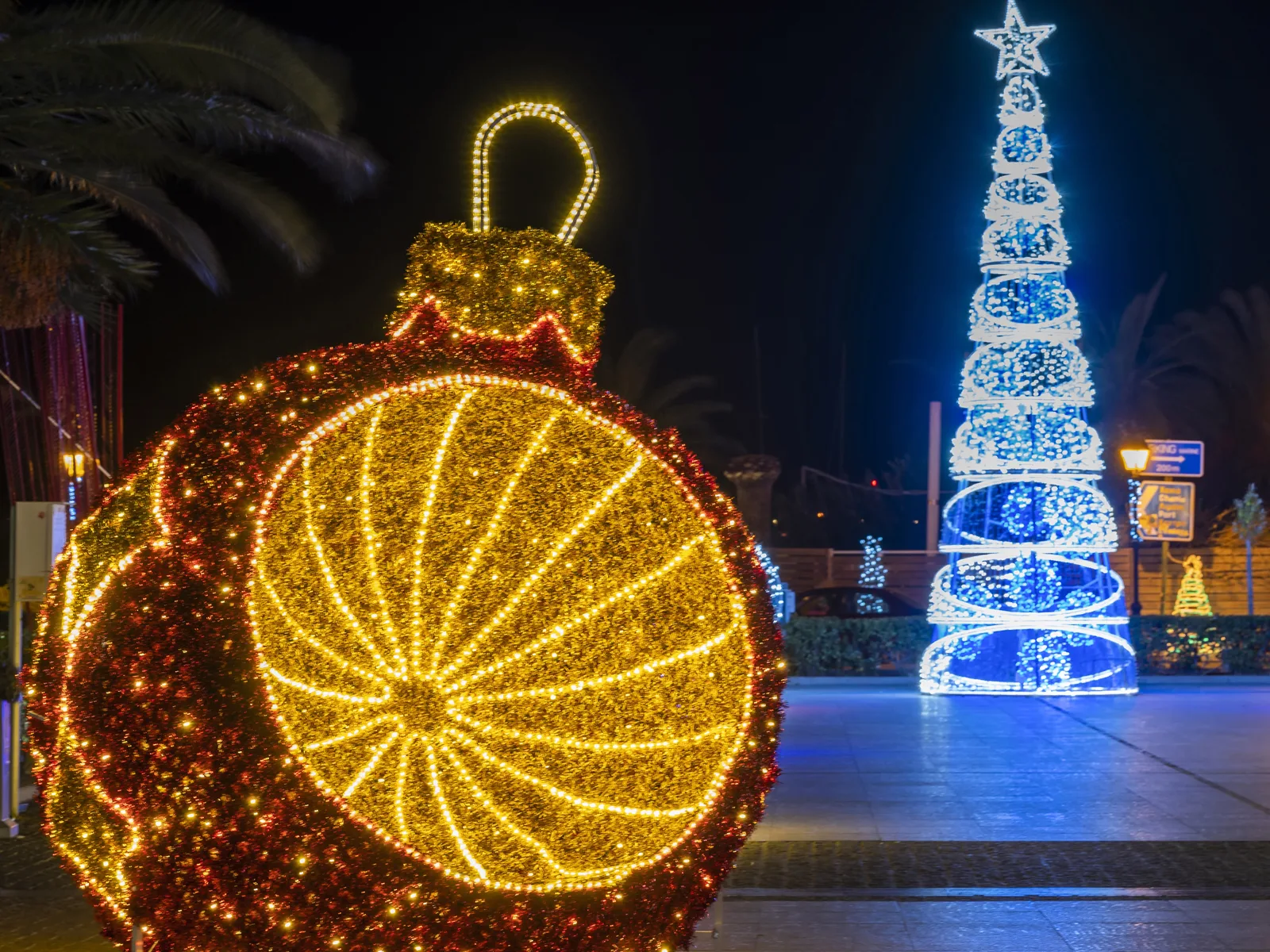
Rethymno in the festive season is quieter than its summer version, but it is not empty. The Old Town still belongs to residents as much as visitors. Families meet over long meals, bakeries fill with seasonal sweets, lights appear around the city and municipal or community events bring people into the streets and squares.
This is not the right trip for guests who want beach weather or a full summer timetable. It can be a rewarding stay for families, couples and groups who value privacy, shared meals and the chance to see a more local side of Crete.
 By Argyris Skordilis, owner and host · Updated
What the Festive Season Feels Like
The greatest difference is pace. Summer encourages guests to build long days around beaches and late dinners. Christmas and New Year invite a smaller daily plan: a slow breakfast, a walk through Rethymno, one museum or village if it is confirmed open, then an unhurried meal and evening together.
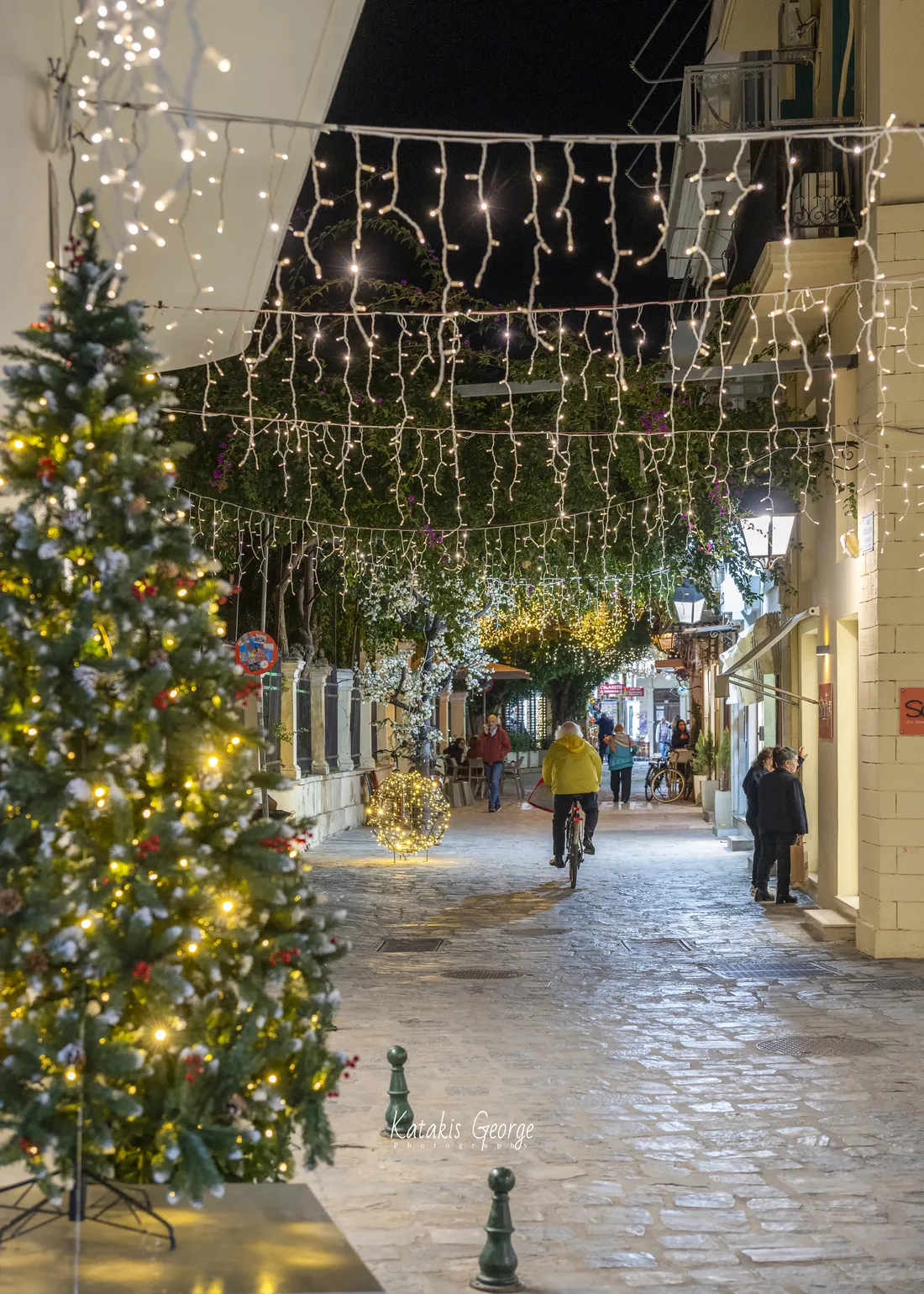

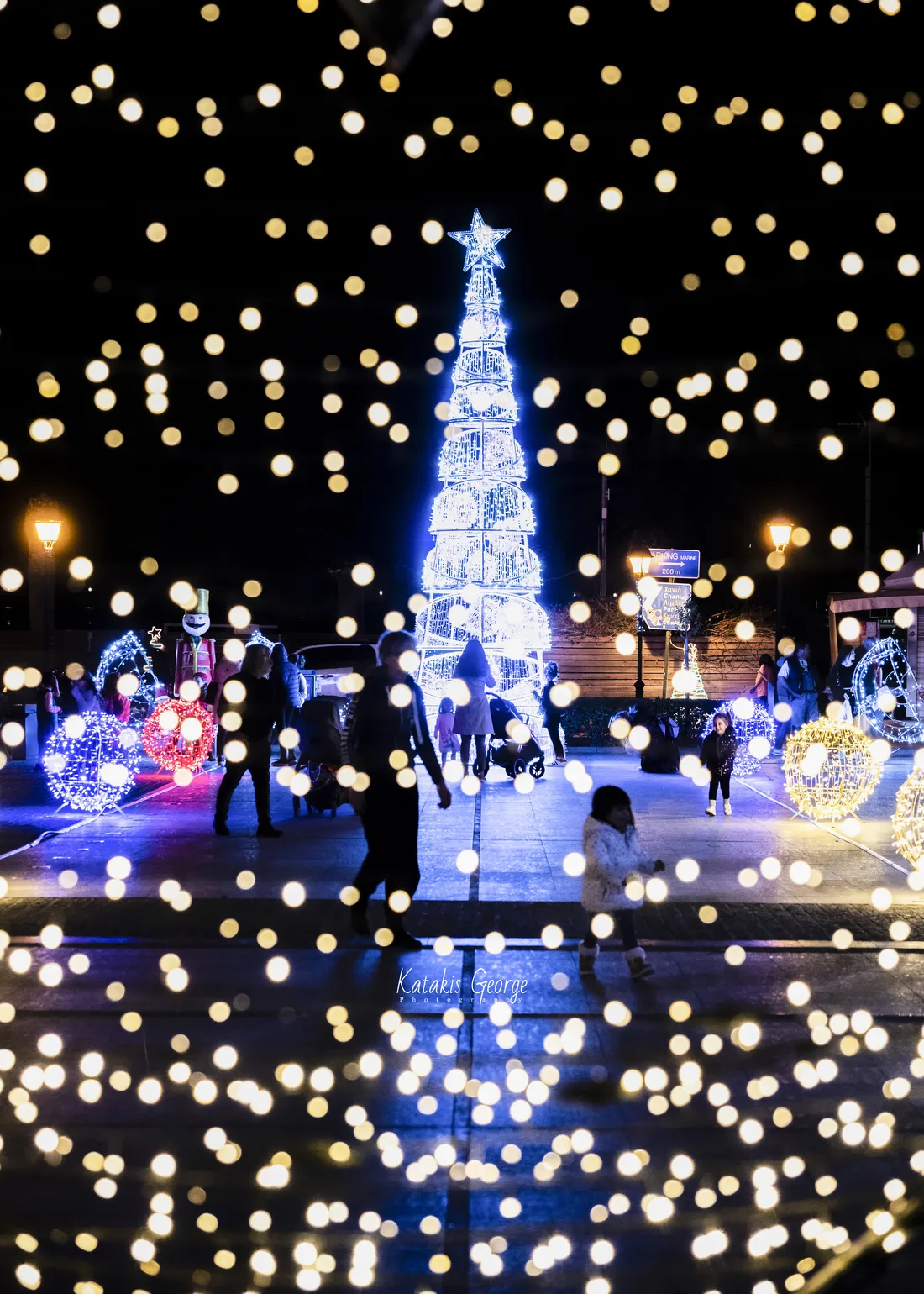
The city may host tree-lighting, music, children’s activities, cultural performances or community events. The Municipality of Rethymno has organised this kind of programme in previous years, but the dates and contents are not permanent. Use the official municipal cultural calendar and current announcements for the travel year.
For reference, in 2025 the city’s Christmas tree was lit on Sunday 30 November in the Square of the Unknown Soldier, the festive programme included storytelling and workshops for children at the House of Culture and in the squares, and New Year’s Eve was celebrated with a midday street party on Tsouderon Street. Checked September 2026; the 2026 programme is not yet published.
Christmas, New Year and Epiphany Form a Sequence
Treat the festive period as several distinct occasions rather than one continuous celebration.
Before Christmas, shops and the city can feel busier as residents prepare for family meals and gifts. This is the time to buy villa essentials early and confirm any special dinner.
Christmas Eve and Christmas Day turn towards family, food and church traditions. Build these days around the people in the villa rather than a list of places that may be closed.
The days between Christmas and New Year can suit a village drive, an Old Town walk or a museum visit, subject to weather and confirmed opening.
New Year’s Eve and New Year’s Day form a second celebration. Greek tradition associates gift-giving with Saint Basil and New Year’s Day, although many families now exchange presents at Christmas as well. Vasilopita is traditionally cut for the New Year, with a coin hidden inside for good luck.
Epiphany on 6 January includes the blessing of the waters in communities around Greece. Any local ceremony, time and location must be checked against the current official programme.
Greek Christmas and New Year Traditions
Greek festive traditions are not annual programme items and do not depend on a municipal announcement. The custom itself can be stated clearly; only the exact place and moment at which a visitor may encounter it varies.
Kalanda. Children traditionally sing kalanda on the eves of Christmas, New Year and Epiphany, often keeping time with a small metal triangle. They are commonly given coins or sweets in return. Guests staying in a village may hear a knock at the door, but no individual visit is promised.
The karavaki. The decorated Christmas boat, or karavaki, is a longstanding Greek festive symbol connected with the country’s maritime life. It appears alongside the Christmas tree in homes and public decorations.
Christopsomo. Christopsomo means “Christ bread” and is traditionally prepared for the Christmas table. It is commonly marked with a cross and may carry decorative shapes connected with the household.
Saint Basil and gift-giving. Greek tradition connects Saint Basil with New Year’s Day and gift-giving, although many families today also exchange presents at Christmas.
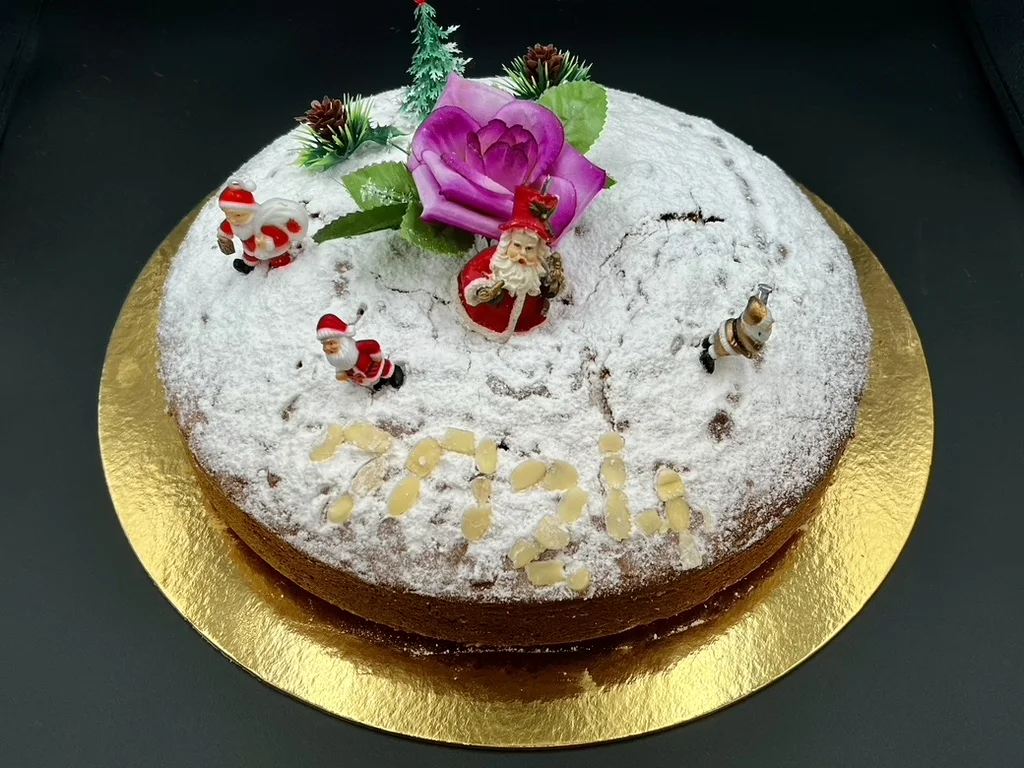
Vasilopita and the coin. Vasilopita is cut for the New Year with a coin hidden inside. Slices are shared among the household, and the person who finds the coin is traditionally associated with good luck for the year.
Epiphany. On 6 January, the blessing of the waters takes place in communities around Greece; in coastal towns a priest throws a cross into the sea and swimmers dive to retrieve it. The exact ceremony, time and location in Rethymno require confirmation from the current official programme.
Festive Food and the Villa Table
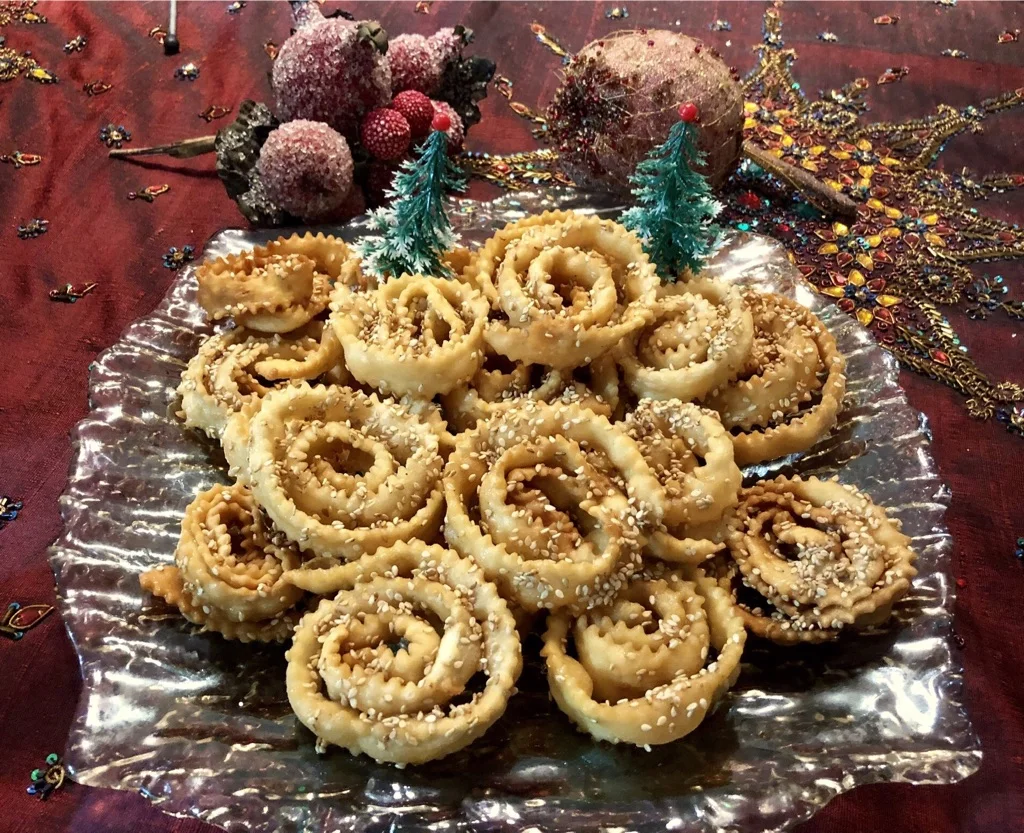
The festive table is the strongest bridge between a winter villa stay and local life. Melomakarona and kourabiedes are established Greek Christmas sweets, while vasilopita belongs to the New Year. Xerotigana are a Cretan celebration sweet and may also appear during the festive period; availability varies by bakery and date.
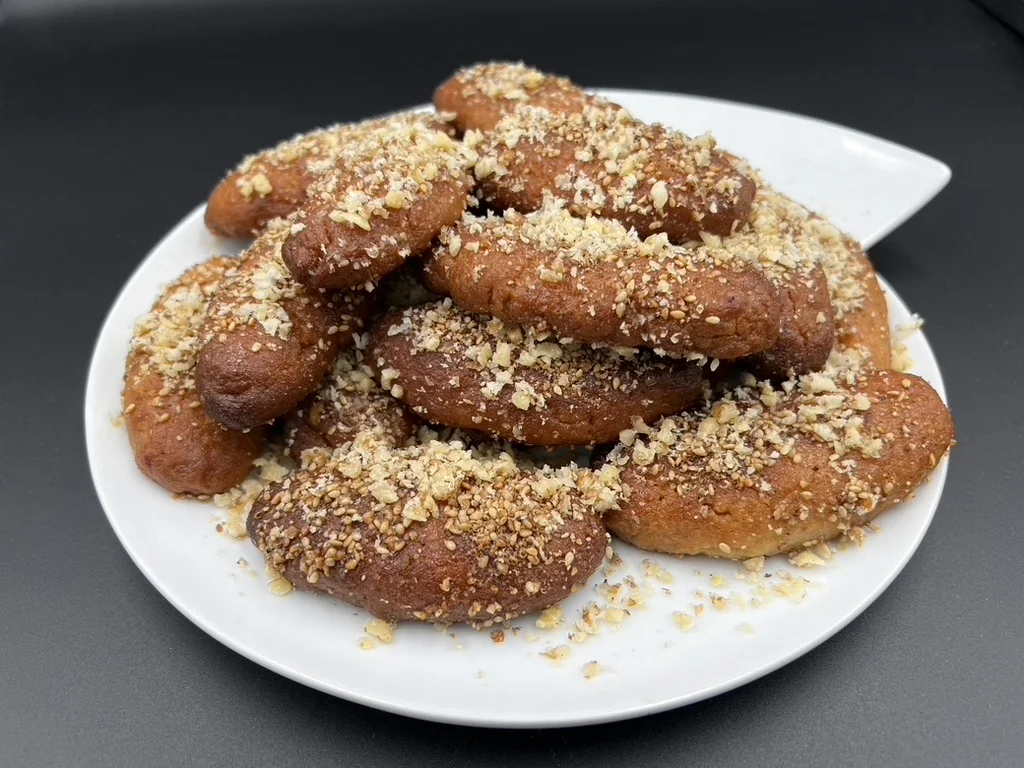
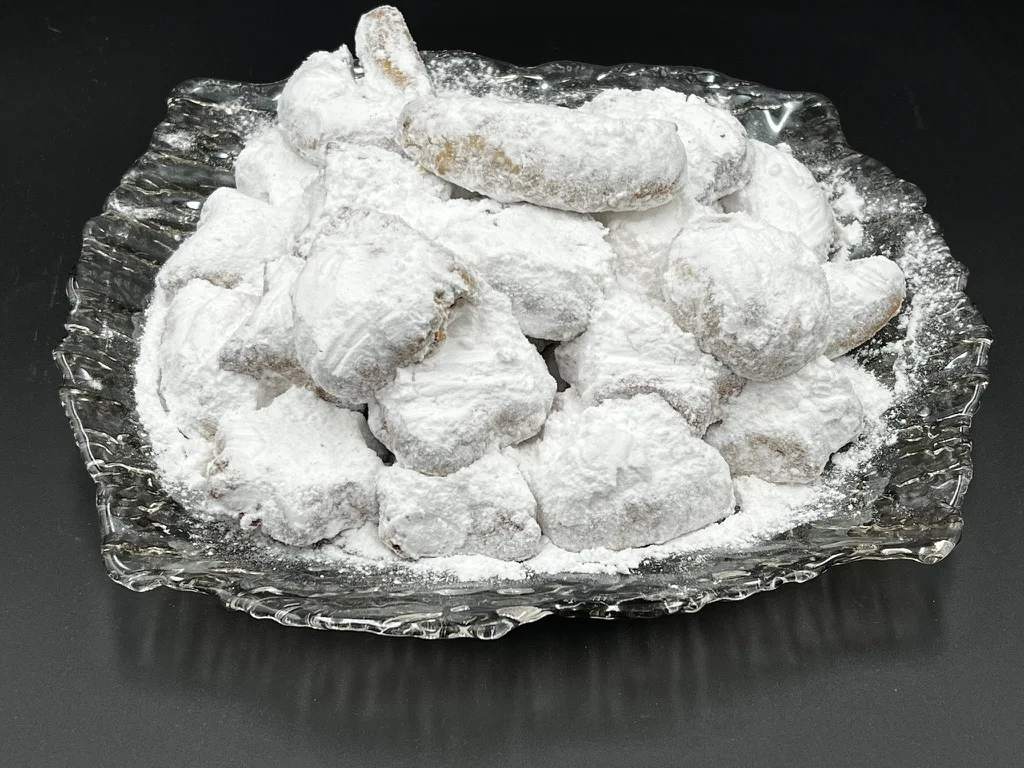
Keep the plan realistic: one carefully arranged celebration meal can be more memorable than trying to turn every lunch and dinner into an event. Build the ordinary days around bread, olive oil, cheese, olives and seasonal fruit and vegetables bought locally.
Private-chef support and grocery pre-stocking are available on request, subject to availability. Menu, dietary requirements, shopping list, quantities, substitutions, price and arrangements are confirmed for the specific stay.
The Villa as a Festive Base
A villa changes the practical shape of the holiday. Children can follow their own meal and sleep rhythm. Several households can share a table without reserving a large restaurant every night. Guests can return from Rethymno and continue the evening privately.
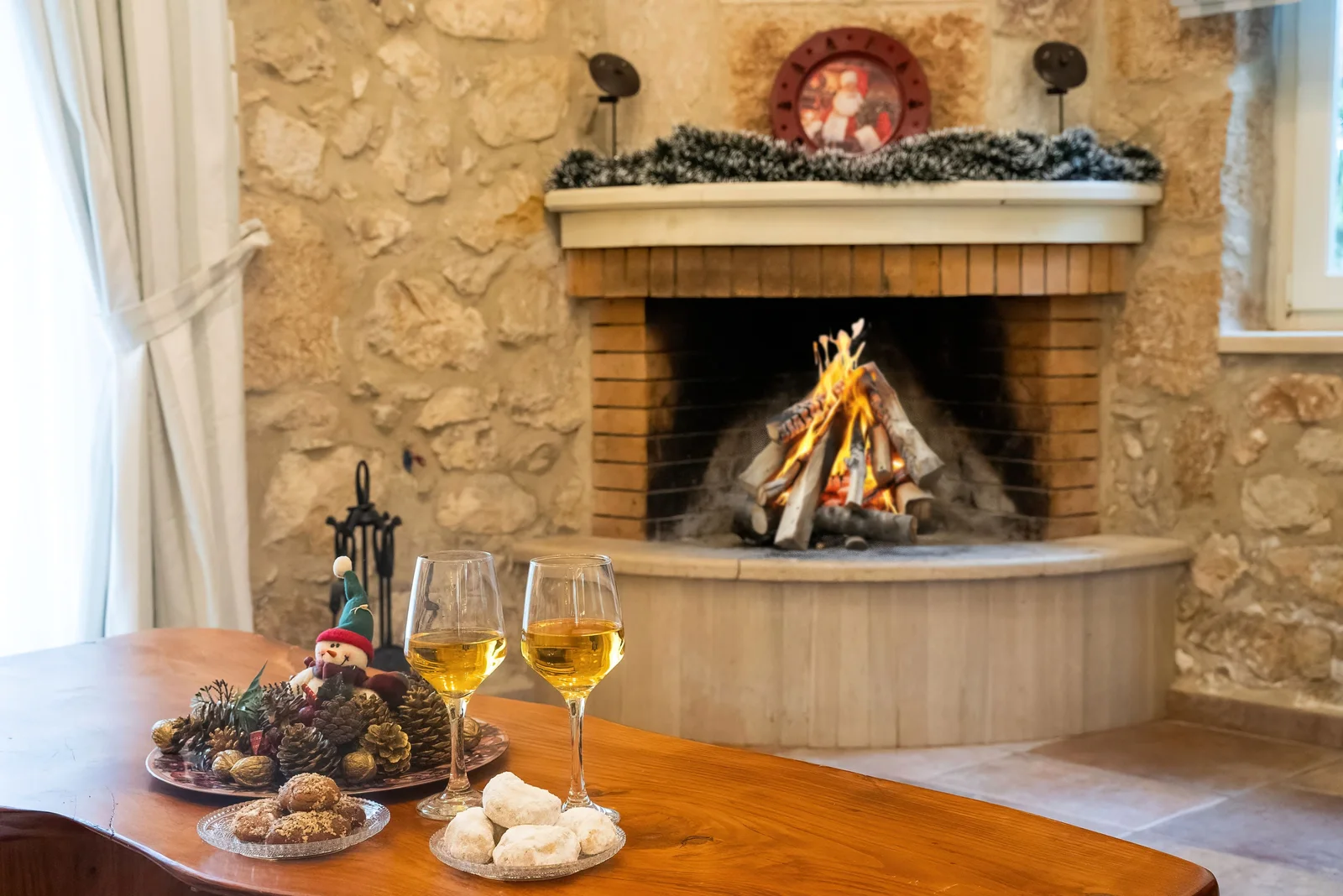
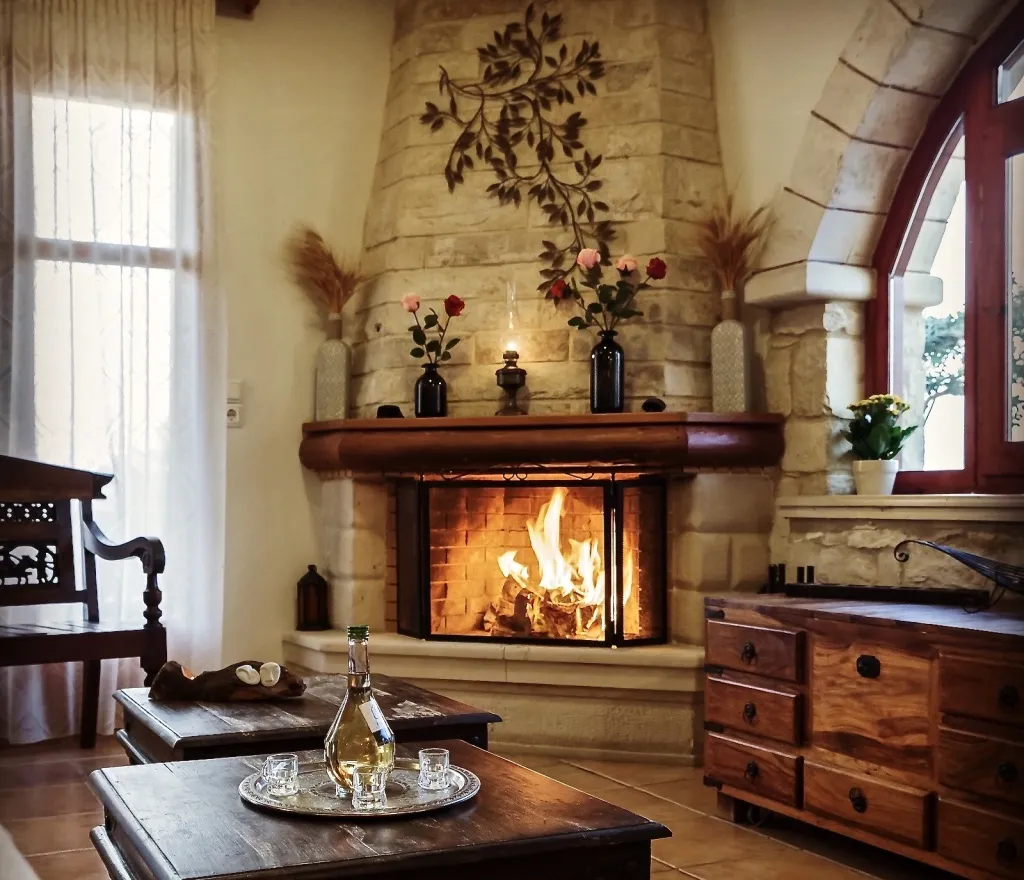
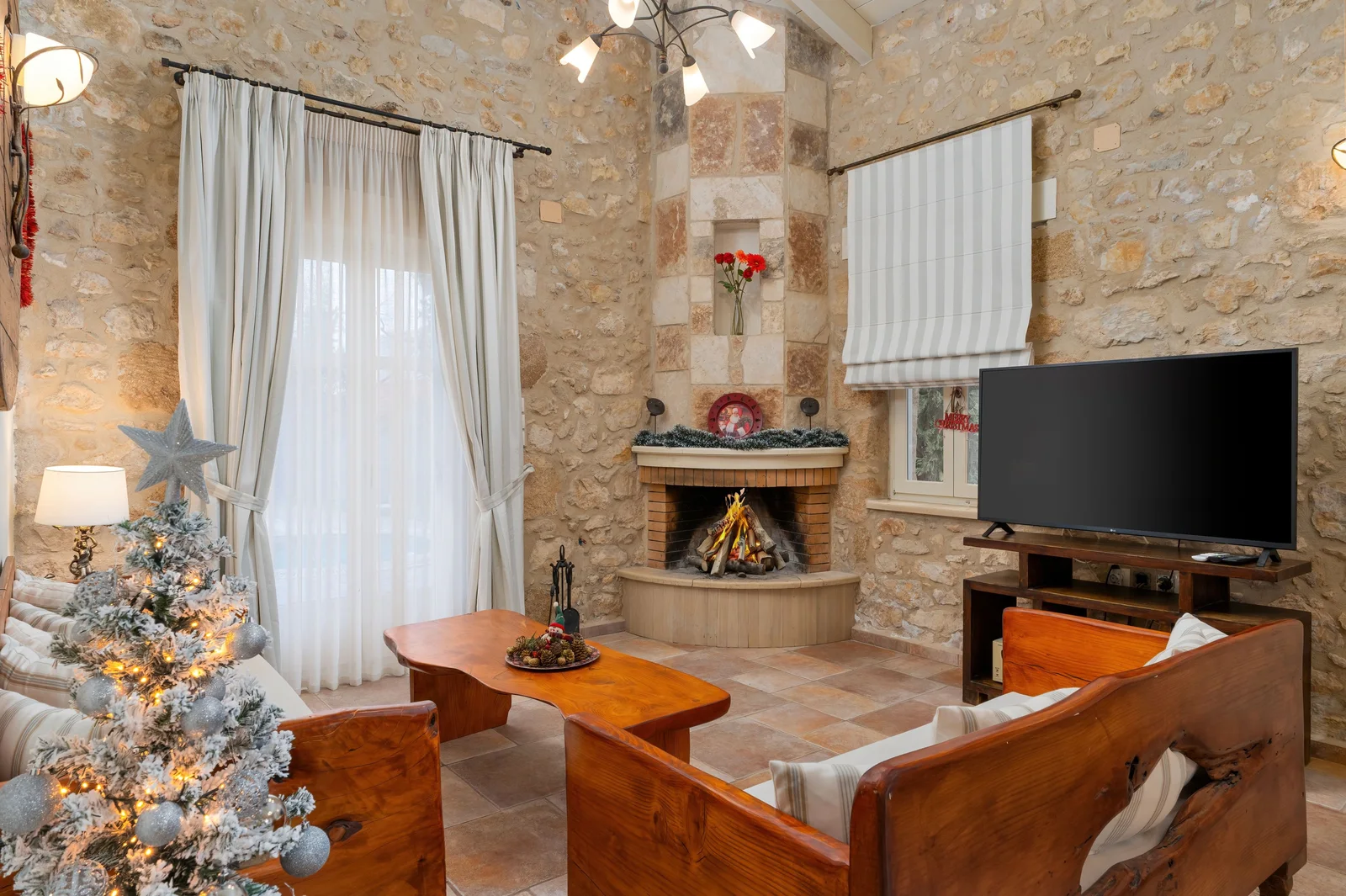
For winter, the facts of each house matter. All four villas have air conditioning with heating and a fireplace. Wood for the first fire is waiting at the villa; ask Argyris how the heating works and about more wood for your stay. The pools are not heated, so do not plan a winter stay around swimming.
Things to Do in and around Rethymno at Christmas
A Christmas stay near Rethymno does not need a full events programme to work. Combine a small number of confirmed outings with unhurried time at the villa, and keep an alternative for wet or windy weather.
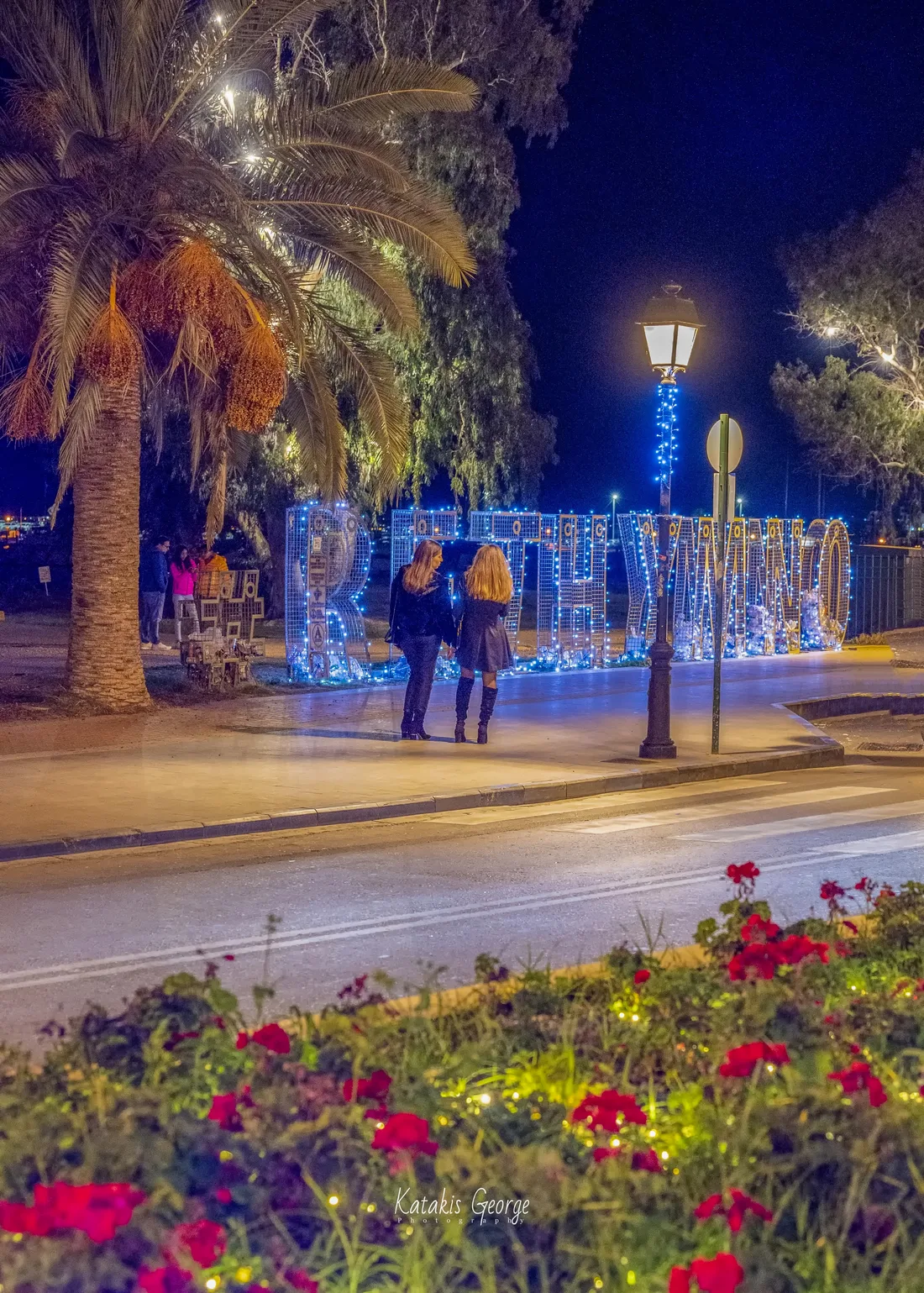
Walk through Rethymno Old Town
Visit the Old Town during the day for its lanes, Venetian architecture, local shops and cafés. Return after dark to see the festive lighting and any activities included in the current municipal programme. Check holiday opening before relying on a particular shop, museum, restaurant or attraction.
Visit the Fortezza
The Fortezza can fit naturally into an Old Town day and offers wide views over Rethymno and the coast. Confirm its seasonal opening hours and check the weather before setting out; see the Rethymno City Guide.
Explore a Village or Cultural Site
Asteri can be the starting point for a relaxed drive through the Rethymno region. Arkadi Monastery, Ancient Eleutherna and its museum, Margarites and Spili can support different winter outings, but archaeological sites, museums and workshops require current opening confirmation.
Plan a Food-Focused Day
Visit a local bakery for festive sweets, shop for bread, cheese, olive oil, fruit and vegetables, and prepare an unhurried meal at the villa. Private-chef support and grocery pre-stocking are also available on request, subject to availability and confirmation for the specific stay.
Take a Flexible Coastal Drive
The Rethymno seafront and north coast can suit a walk or scenic drive on a clear winter day. Conditions can change, so treat this as a flexible outing rather than a beach day.
See the Snow above Anogia
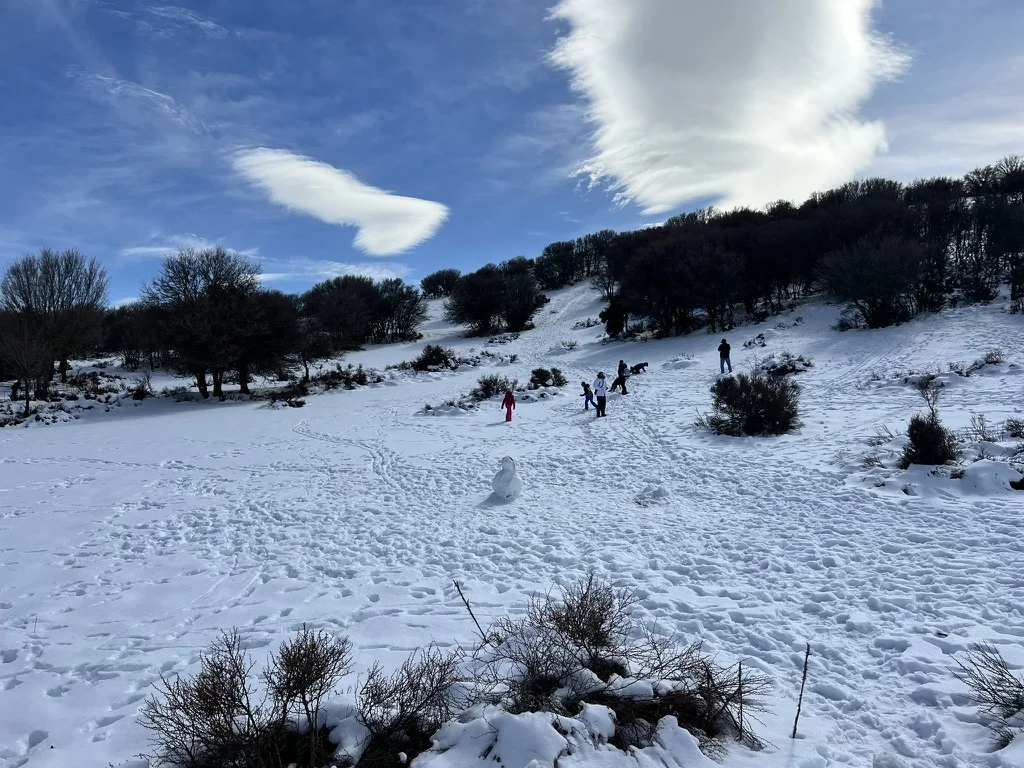
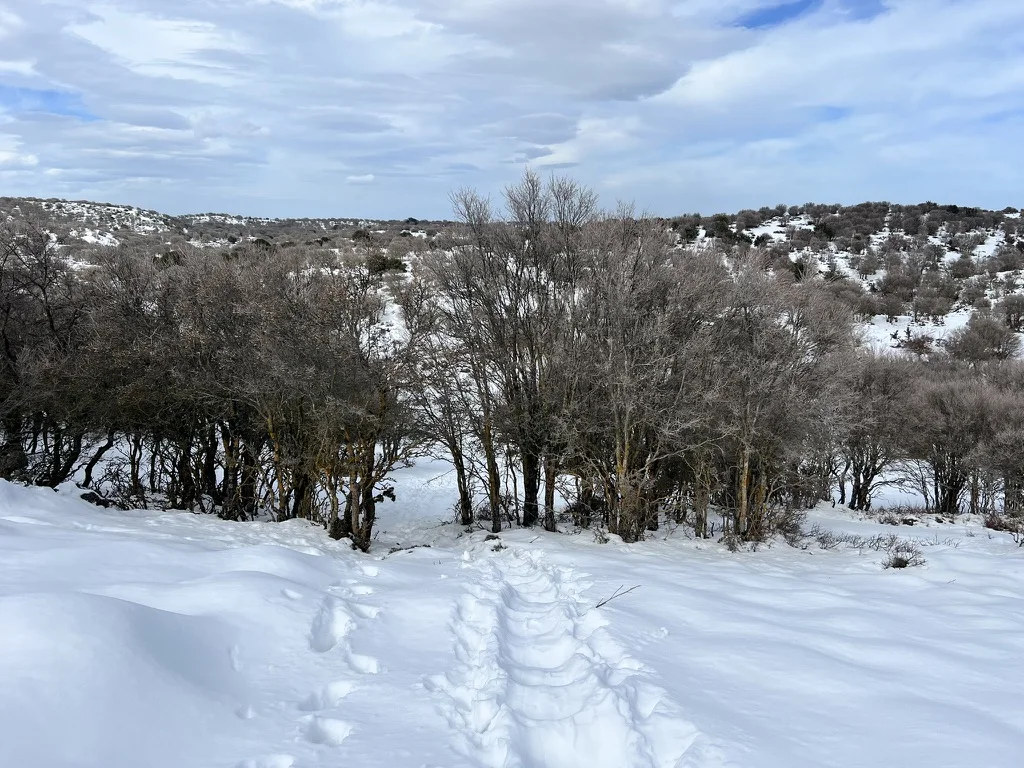
Some winters, snow falls on the slopes of Psiloritis just above the mountain village of Anogia. Families drive up to walk, sledge and build a snowman, then come back down for lunch in the village. Anogia is approx. 41 km (25 mi) from Asteri Village, about an hour’s drive.
It all depends on the weather. Snow can come and go within days, and some winters it barely reaches that height. Check the forecast and road conditions on the day, go only if the road is clear, and never drive onto snow or ice without the experience and the equipment. Ask Argyris before you set off; he’ll know whether it’s worth the drive that week.
See the Olive Harvest
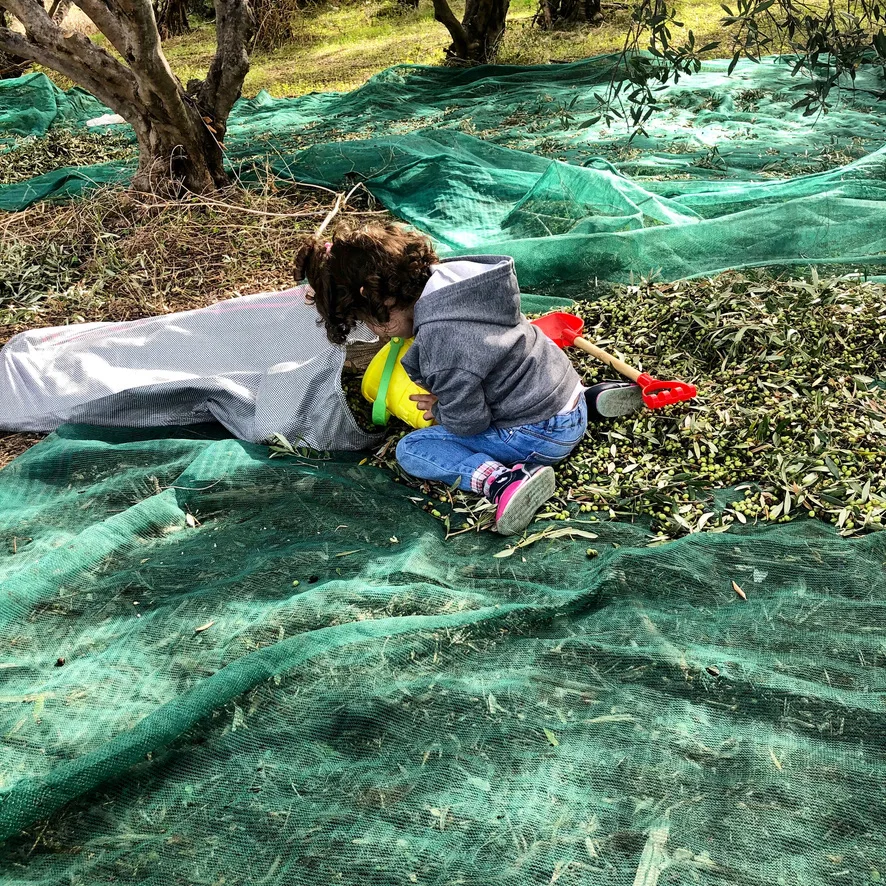
From November into the winter, the olive harvest goes on in the groves around the villas: nets spread under the trees, families at work and sacks of olives on the way to the mill. It is working farm life, not a visitor event, but it is part of the landscape of a winter stay, and it is the season of fresh, new olive oil.
Choose One Longer Day Trip
Chania or Heraklion can be considered when the group wants a full day away from the villa. Knossos and the Heraklion Archaeological Museum can also be combined, subject to current opening hours and ticket information. Avoid placing a long excursion immediately after arrival or before an early departure.
Join Confirmed Festive Activities
Christmas activities, concerts, performances and New Year celebrations vary every year. Include only events that appear in the official programme for the dates of the stay.
Spend an Evening at the Villa
A festive evening does not require an organised event. Guests can cook together, light the fireplace, cut a vasilopita at New Year or simply gather around the table.
Keep a Rainy-Day Alternative
A wet-weather plan might include a museum confirmed open, a long lunch in Rethymno, shopping for the villa table, cooking together or a quiet afternoon at the villa. The aim is to make sure the day still works if the weather changes.
Three Ways to Plan the Stay
1. The Family Christmas
Prioritise food, children’s rhythm and one confirmed festive activity. Shop before the public holiday, keep Christmas Day simple and avoid making the whole visit depend on late evening events.
2. The Couple’s Festive Break
Combine one Old Town evening with slow villa mornings, local food and a scenic drive when conditions and opening information support it. A restaurant or wine-led evening works only with a confirmed booking and a safe return plan.
3. The Group New Year
Use the villa as the gathering point. For a larger party, MAZI can combine two or three separate villas in Asteri Village. Villa Asteri and Villa Kitron are about 30 metres apart, and Villa Myrrini about 60 metres from Villa Kitron and 90 metres from Villa Asteri. They are separate private homes close to one another, not connected buildings.
A MAZI enquiry gets one combined proposal, but each villa has its own booking, reference and payment. The minimum stay is the strictest one that applies to the villas and dates you choose, which matters over Christmas and New Year.
Decide whether New Year’s Eve happens in town or at the villas, then confirm food, transport and meeting arrangements. Group members may arrive on different connections, so share the arrival details of each household in advance and coordinate check-in arrangements for the specific stay.
If You Are Staying for Four Nights
A four-night visit is one possible short festive stay, not a recommended duration for every guest.
| Day | Suggested rhythm |
|---|---|
| Arrival | Collect confirmed essentials, understand the villa heating and keep dinner simple. |
| Rethymno day | Old Town walk, one confirmed cultural stop, festive lights and an early or reserved meal. |
| Celebration day | Villa breakfast, shared meal, local walk and time together; no timetable built on unverified openings. |
| Flexible day | Choose a village, museum, city return or complete rest according to weather and current opening information. |
Planning a Longer Festive Stay
Guests travelling from elsewhere in Europe or from North America often make the journey worthwhile by staying for a week or longer. A longer stay should not be planned as seven or fourteen consecutive sightseeing days. Leave space for travel recovery, weather changes, ordinary villa life and different energy levels within the group.

For a stay of 7–10 nights, choose two or three larger outings, keep several local days around Rethymno and Asteri, and protect at least one day with no fixed programme. A longer visit can combine the Old Town, Arkadi and Ancient Eleutherna, village visits, one city or archaeological day trip and unhurried meals at the villa without making every day a transfer day.
For a stay of 11–14 nights, plan in weekly rhythms rather than one long itinerary. Include a second grocery shop, confirm any mid-stay cleaning and linen arrangements, and spread the longer drives across the stay. Families and multigenerational groups may benefit from giving different households permission to follow different plans rather than expecting everyone to join every outing.
Visitors arriving after a long-haul journey should keep the first full day light. On the return side, avoid placing the longest excursion immediately before an early flight or a journey involving several connections.
What Winter Weather Means for the Plan
Winter in Rethymno brings mild, bright spells as well as rain, wind and cooler evenings.
Historically, December averages highs of about 14 °C (57 °F) and lows of about 9 °C (48 °F) around Rethymno, and January about 13 °C (55 °F) and 7 °C (45 °F), with 11–13 rainy days a month and the sea at about 17–18 °C (63–64 °F) (long-term averages; published sources differ by 1–2 °C, and these are the middle values). These are seasonal patterns, not a forecast.
Days are short: around Christmas the sun sets at about 17:15–17:30, so plan outings to finish in daylight.
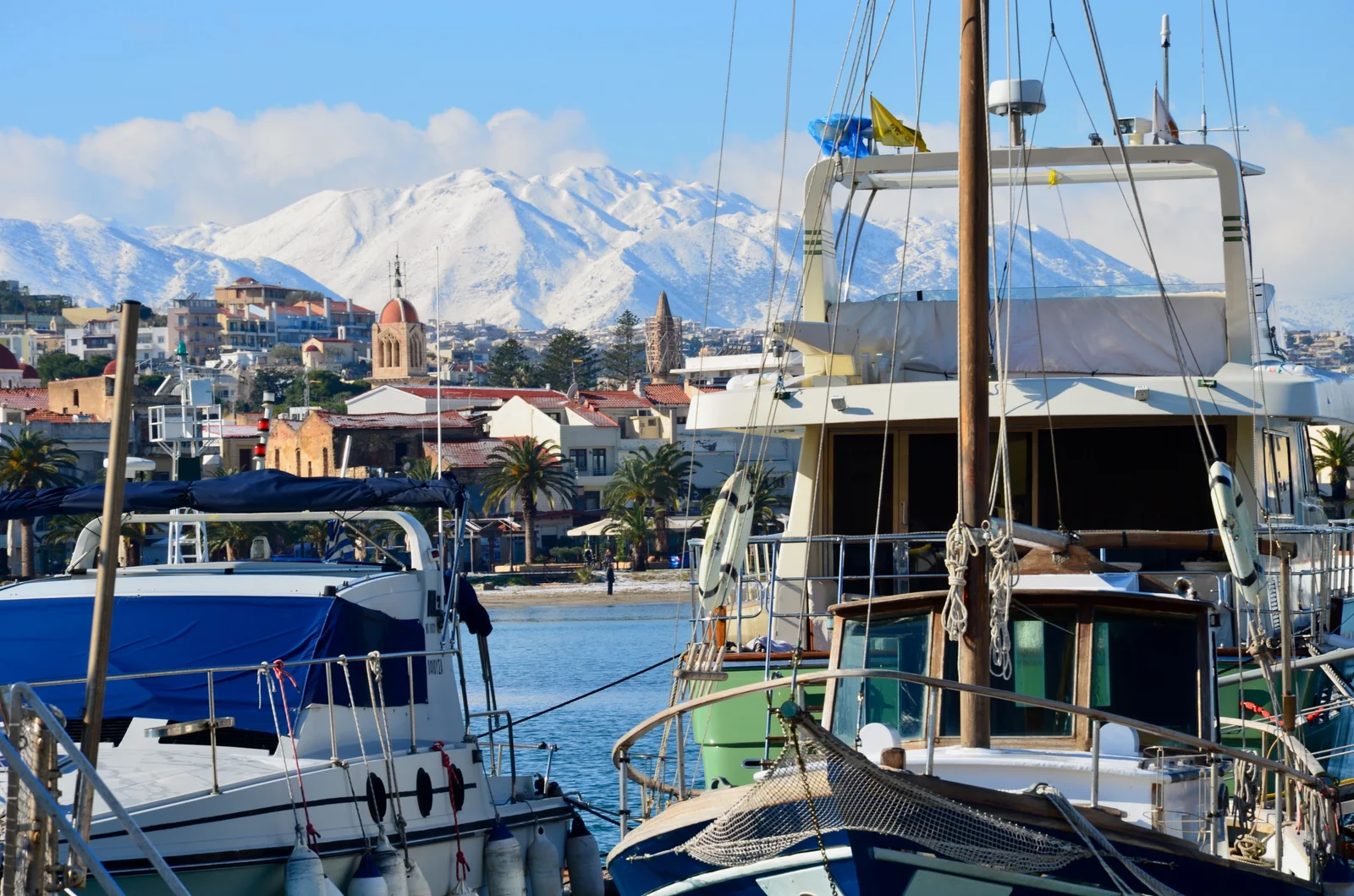
Swimming is possible for the hardy on a calm, sunny day, and some locals swim all winter, but the sea is bracing and the pools are not heated; do not build the stay around it. On many winter days you will see snow on Psiloritis from the coast. Some well-known walks close in winter: the Samaria Gorge, for example, is closed from late autumn to spring.
Plan outdoor time flexibly and keep an indoor alternative. For how the other seasons compare, see Crete Beyond Peak Summer: May, June, September and October.
Getting Here in Winter
Winter flight schedules are more limited than summer schedules, and many international journeys involve a connection in Athens. From North America, journeys usually connect in Athens or another European hub. Check the complete itinerary for the exact dates and allow sufficient connection time, particularly when separate tickets are involved.
From Heraklion Airport to Asteri Village is approx. 73 km (45 mi), about an hour without stops, and to Villa Argiris in Stavromenos approx. 70 km (43 mi), about 1 hour. From Chania Airport to Asteri Village is approx. 79 km (49 mi) and to Villa Argiris approx. 78 km (48 mi), about 1 hour 15–25 minutes. These are planning ranges measured on Google Maps in September 2026, not guaranteed arrival times; allow for weather, stops and the final approach to the villa. See Do You Need a Car in Crete?
Ask Argyris and he can suggest a transfer company or car hire; the provider confirms the vehicle, price and terms for your dates. Which driving documents you need depends on the country that issued your licence and on the car hire company’s current rules. Before you book, check whether your original licence is enough or whether you also need an official translation or an International Driving Permit.
Christmas in Asteri is quiet. It’s about family, food and the people around the table. The village doesn’t try to recreate the bustle of summer, and that’s exactly what makes this time of year special. You have time to enjoy the house, wander through Rethymno and see everyday Cretan life at a slower pace.
It’s also a good moment to get to know Cretan food and wine more personally: a wine tasting, an olive-oil tasting or a cooking lesson, with independent local providers and depending on what’s running in the season.
My advice: book the meal, experience or evening that matters most before you arrive, but don’t fill every day with reservations and long drives. Keep the villa table as your meeting point, especially when several families are travelling together, and leave room for the weather and for plans to change.
Argyris Skordilis · Owner and host, Amazing Villas in Crete · usually replies within 12 hours
